Hi there, fellow outdoor enthusiasts! If you’re anything like me, you’ve spent far too many weekends staring at your backyard, patio, or balcony thinking, “This space could be so much more than just a place to mow the grass or hang laundry.” I’m Sarah, a lifelong New Englander who’s turned every outdoor nook I’ve ever had—from a tiny urban balcony in Boston to a sprawling backyard in Vermont—into my favorite “room” of the house. And let me tell you: creating a comfortable outdoor living space isn’t about spending a fortune or being a professional designer. It’s about understanding what makes you feel relaxed, connected to nature, and eager to spend time outside—whether that’s sipping morning coffee, hosting a summer BBQ, or curling up with a book as the sun sets.
In the U.S. and across Europe, outdoor living has become more than just a trend—it’s a way of life. We’re no longer content with flimsy plastic chairs and a rickety table; we want our outdoor spaces to feel as cozy, functional, and stylish as our living rooms. According to recent market data, the global outdoor furniture market is projected to hit $254 billion by 2025, with (Europe and North America) leading the charge as the biggest consumers of outdoor living products. Why? Because we’ve realized that our yards, patios, and decks aren’t just “extras”—they’re extensions of our homes, places where we can unwind, connect with loved ones, and escape the chaos of daily life without ever leaving our property.
Over the years, I’ve experimented with every outdoor staple you can think of: outdoor sofas that withstand New England winters, hammocks that don’t tip over mid-nap, and (canopies) that keep me cool even on the hottest July afternoons. I’ve made mistakes (trust me, a cheap hammock and a strong summer wind do NOT mix) and discovered hacks that make outdoor living easier, more affordable, and infinitely more enjoyable. Today, I’m sharing everything I’ve learned—so you can transform your outdoor space into a cozy oasis that you’ll never want to leave.
First: Start with Your “Why” (It Matters More Than You Think)
Before you run out to buy a new outdoor sofa or hang a hammock, take a minute to ask yourself: How do I want to use this space? Are you a solo reader who wants a quiet nook to escape? A host who loves throwing backyard BBQs for friends and family? A parent who needs a safe, comfortable spot to watch the kids play? Or maybe you’re all of the above?
Your “why” will guide every decision you make—from the furniture you choose to the accessories you add. For example, if you love hosting, you’ll prioritize seating that can fit a crowd (think modular outdoor sofas or a large dining set). If you’re all about relaxation, a plush hammock or a deep-seated lounge chair might be your best bet. And if you have kids or pets, durability and easy cleaning will be non-negotiable (no delicate fabrics here!).
I learned this the hard way. Early on, I bought a beautiful wicker outdoor sofa because it looked perfect in my backyard—only to realize it was too small for my family of four, and the cushions stained easily when my kids spilled juice on them. I ended up replacing it with a modular sectional that’s big enough for everyone, with water-resistant cushions that wipe clean in seconds. Lesson learned: Function always comes before aesthetics (but you can have both!).
The Foundation: Choosing the Right Outdoor Seating (Sofas, Chairs, and Hammocks)
Seating is the heart of any outdoor living space—it’s where you’ll sit, relax, and spend most of your time. And in 2026, the trend is clear: outdoor seating is getting more comfortable, more durable, and more like the furniture you’d find inside your home. Gone are the days of uncomfortable, one-size-fits-all patio chairs; today, we’re craving deep seats, soft cushions, and ergonomic designs that let us sink in and stay a while.
Outdoor Sofas: The Centerpiece of Your Space
If you have the space, an outdoor sofa is the best investment you can make. It’s versatile, stylish, and instantly makes your outdoor area feel like a cozy living room. But not all outdoor sofas are created equal—here’s what to look for when shopping:
- Durable Materials: Look for frames made of aluminum (lightweight and rust-proof), teak (water-resistant and timeless), or powder-coated steel (sturdy and affordable). Avoid wood that isn’t treated for outdoor use—rain, snow, and sun will warp and rot it in no time. For cushions, opt for fabrics like Sunbrella or olefin—they’re water-resistant, fade-resistant, and easy to clean. In 2026, we’re also seeing a rise in sustainable materials, like recycled ocean plastic and FSC-certified wood, which let you decorate consciously without sacrificing style.
- Comfort: Go for deep seats (at least 24 inches) and thick cushions (4-6 inches is ideal)—the deeper the seat, the more you can sink in. Look for ergonomic backrests that support your lower back (a 10-15° incline is perfect for relaxation) and armrests that are wide enough to rest a drink or a book on. I recently upgraded to a modular outdoor sofa with adjustable backrests, and it’s a game-changer—I can sit upright to chat with friends or recline for a nap without moving a thing.
- Style: Outdoor sofas come in every style imaginable, from modern and sleek to rustic and cozy. If you have a contemporary home, go for a low-profile sofa with clean lines and neutral colors (taupe, gray, or charcoal). If you love a cottage or European vibe, a wicker or rattan sofa with soft, neutral cushions will fit right in. And don’t be afraid to add color! While neutral tones are timeless, a pop of mustard yellow, indigo, or olive green in your cushions can add warmth and personality to your space.
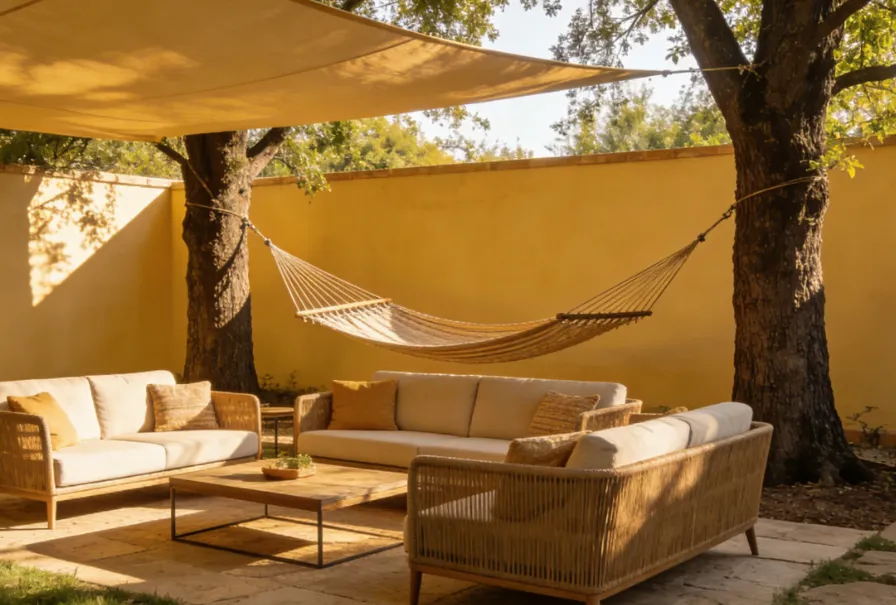
- Modularity: If you’re short on space or love to rearrange, a modular sofa is your best friend. You can add or remove sections to fit your needs—perfect for hosting a big group or creating a cozy nook for two. I have a modular set that I rearrange seasonally: in the summer, I spread it out to fit 8-10 people; in the fall, I push it together to create a snug spot by the fire pit.
Pro Tip: If you live in a climate with harsh winters (like me!), look for a sofa with removable cushions that you can store indoors during the off-season. Some brands even sell weatherproof covers that protect the frame from snow and rain—worth every penny to extend the life of your furniture.
Hammocks: The Ultimate Relaxation Tool
Is there anything more iconic than a hammock strung between two trees on a lazy summer afternoon? I don’t think so. Hammocks are affordable, easy to set up, and instantly add a sense of calm to any outdoor space. But with so many options on the market, it’s easy to pick the wrong one. Here’s how to choose the perfect hammock for your space:
- Type: There are two main types of hammocks: rope and fabric. Rope hammocks are classic—they’re lightweight, breathable, and perfect for hot summer days. Fabric hammocks (usually made of cotton or polyester) are softer and more comfortable, but they can get hot in direct sun. If you want the best of both worlds, look for a hybrid hammock with a rope frame and a fabric pad.
- Size: Hammocks come in single, double, and even family sizes. A single hammock is perfect for one person (great for a quiet nook), while a double can fit two people—ideal for snuggling with a partner or a kid. If you have a large family or love hosting, a family-sized hammock can fit 3-4 people (just make sure it has a high weight capacity—look for at least 400 pounds).
- Setup: If you have trees in your yard, a traditional hammock that straps to trees is perfect. Just make sure the trees are at least 10-15 feet apart and strong enough to hold your weight (avoid young or weak trees!). If you don’t have trees, a hammock with a stand is a great alternative—they’re easy to set up (no tools required!) and can be moved anywhere in your yard. I recently tested the Suncreat double hammock with a stand, and it’s hands down the most comfortable hammock I’ve ever used—it’s easy to assemble, has over 12 patterns to choose from, and can hold up to 475 pounds, so my husband (who’s 6’2”) and I can lounge together without worrying about tipping over.
- Weather Resistance: If you plan to leave your hammock outside year-round, look for one made of weather-resistant materials like polyester or nylon. Cotton hammocks are soft but will mildew if left in the rain, so they’re better for seasonal use or indoor/outdoor storage.
Pro Tip: Add a hammock pillow or a lightweight blanket for extra comfort—there’s nothing better than curling up with a book and a blanket in a hammock on a cool summer evening. And if you’re worried about bugs, hang a mosquito net around your hammock—game-changer for summer nights!
Accent Chairs: Add Extra Seating and Style
No outdoor seating area is complete without a few accent chairs. They’re perfect for adding extra seating, creating a cozy reading nook, or balancing out your outdoor sofa. When choosing accent chairs, look for the same durable materials as your sofa (aluminum, teak, or powder-coated steel) and cushions made of weather-resistant fabric.
My favorite accent chairs are hanging egg chairs—they’re stylish, comfortable, and add a fun, whimsical touch to any space. I have one in my backyard that I use for morning coffee; it swivels, so I can watch the birds or the kids play while I sip my latte. Another great option is a Adirondack chair—classic, sturdy, and perfect for a rustic or coastal vibe. They’re made of weather-resistant wood (like cedar or teak) and have a wide seat and high back for maximum comfort.
In 2026, we’re also seeing a rise in “smart” outdoor chairs—some even come with built-in speakers or USB ports, so you can listen to music or charge your phone while you relax. It’s a small luxury, but it makes outdoor living even more enjoyable.
Stay Cool (and Protected): The Importance of Shade Structures
Even the most comfortable outdoor seating won’t be enjoyable if you’re baking in the sun or getting soaked in the rain. That’s why shade structures are a must for any outdoor living space. They protect you from the elements, keep you cool, and add style to your yard. Here are the most popular options, along with my tips for choosing the right one:
Canopies : Versatile and Affordable
Canopies are one of the most versatile shade options—they’re easy to set up, affordable, and can be moved anywhere in your yard. They come in a variety of sizes, from small canopies that cover a single hammock to large ones that shade a full outdoor dining set. Here’s what to look for:
- Size: Measure your outdoor space before buying a canopy to make sure it’s big enough to cover your seating area. A good rule of thumb is to get a canopy that’s 2-3 feet larger than your furniture to ensure full coverage.
- Material: Look for a canopy made of UV-resistant fabric (like polyester or vinyl) that blocks at least 90% of the sun’s harmful rays. Some canopies are also water-resistant, which is great for unexpected rain showers. I have a canopy with a UV-resistant top that keeps me cool even on the hottest days—no more squinting or getting sunburned while I relax outside.
- Stability: A canopy is only useful if it stays up in the wind. Look for a canopy with sturdy legs (preferably made of steel or aluminum) and guy ropes or stakes to secure it to the ground. If you live in a windy area, opt for a canopy with a weighted base—they’re more stable and won’t tip over in strong winds.
- Style: Canopies come in a variety of colors and designs, so you can find one that matches your outdoor decor. I have a neutral-colored canopy that blends in with my backyard, but you can also go for a bright color to add a pop of personality.
Pro Tip: If you want a more permanent shade solution, look for a retractable canopy that attaches to your house. They’re more expensive, but they’re easier to use (just push a button to open or close) and look more polished than a portable canopy.
Pergolas: Stylish and Functional
If you want a shade structure that’s both stylish and permanent, a pergola is the way to go. Pergolas are open-air structures with wooden or metal beams that provide partial shade—perfect for growing climbing plants like wisteria, ivy, or roses. They add a touch of elegance to any outdoor space and can be used to define a seating area or a dining space.
When choosing a pergola, consider the size (make sure it’s big enough to cover your furniture) and the material. Wooden pergolas (made of cedar or redwood) are classic and warm, but they require regular maintenance (staining or sealing every 1-2 years) to prevent rot. Metal pergolas (made of aluminum or steel) are low-maintenance and durable, but they can be less warm than wood. I have a wooden pergola in my backyard that I covered with climbing roses—during the summer, the roses bloom and provide full shade, and in the fall, the leaves turn red and gold, making it even more beautiful.
You can also add a retractable awning to your pergola for extra shade on hot days, or string fairy lights around the beams for a cozy, magical vibe at night. Pergolas are a bit more expensive than canopies, but they’re a long-term investment that will add value to your home and make your outdoor space feel like a luxury retreat.
Umbrellas: Perfect for Small Spaces
If you have a small patio or balcony, an umbrella is the perfect shade solution. They’re compact, affordable, and easy to move around. Look for an umbrella with a UV-resistant canopy and a sturdy base (weighted or anchored to the ground) to prevent it from tipping over. You can choose a table umbrella (which fits through a hole in your outdoor dining table) or a freestanding umbrella (which can be placed anywhere in your space).
I have a freestanding umbrella on my balcony that I use to shade my outdoor chair and small side table. It’s adjustable, so I can tilt it to block the sun at different times of the day. And when I’m not using it, I can fold it up and store it in a closet—perfect for small spaces.
Add the Finishing Touches: Accessories That Make Your Space Cozy
Once you have your seating and shade sorted, it’s time to add the finishing touches—accessories that make your outdoor space feel warm, inviting, and personal. These small details can make a big difference, and they’re easy to update seasonally to keep your space feeling fresh.
Outdoor Rugs: Define Your Space and Add Comfort
An outdoor rug is one of the easiest ways to define your seating area and add comfort to your space. It softens hard surfaces (like concrete or wood) and makes your outdoor area feel more like a living room. Look for a rug made of weather-resistant materials like polypropylene or jute—they’re easy to clean and won’t fade in the sun. I have a large outdoor rug under my modular sofa that ties the space together and makes it feel cozy—even barefoot!
Cushions and Pillows: Add Color and Comfort
Cushions and pillows are a great way to add color, texture, and comfort to your outdoor seating. Look for weather-resistant cushions (made of Sunbrella or olefin) that are easy to clean. You can mix and match colors and patterns to add personality—for example, neutral cushions with bright pillows, or vice versa. I love changing my outdoor pillows seasonally: in the summer, I use bright, bold colors (like coral and turquoise); in the fall, I switch to warm tones (like rust and mustard).
Pro Tip: Add a few outdoor throw blankets for cool evenings—they’re soft, cozy, and add a touch of warmth to your space. Look for blankets made of weather-resistant materials like fleece or acrylic that can withstand the elements.
Lighting: Set the Mood for Evening Relaxation
Lighting is key to creating a cozy outdoor space—especially if you love spending time outside in the evenings. There are so many options to choose from, depending on your style and budget:
- Fairy Lights: Fairy lights are cheap, easy to install, and add a magical, whimsical vibe to any outdoor space. You can string them around your pergola, canopy, or trees, or drape them over your outdoor sofa. I have fairy lights strung around my pergola, and they make my backyard feel like a fairy tale at night.
- Path Lights: Path lights are practical and stylish—they light up your walkways and add a warm glow to your yard. Look for solar-powered path lights (no wiring required!) that charge during the day and turn on automatically at night. They’re affordable and eco-friendly, and they make your yard safer for evening walks.
- Table Lamps: Outdoor table lamps are perfect for lighting up your dining table or side table. Look for lamps made of weather-resistant materials (like metal or glass) that can withstand the elements. I have a small outdoor table lamp next to my outdoor chair, and it’s perfect for reading in the evening.
- Fire Pits: A fire pit is a great way to add warmth and light to your outdoor space. It’s perfect for roasting marshmallows, telling stories, or just staying warm on cool evenings. You can buy a pre-made fire pit (affordable and easy to set up) or build your own (if you’re handy). I have a small fire pit in my backyard that I use every fall and winter—there’s nothing better than sitting around a fire with friends and family.
Plants: Bring Life and Color to Your Space
Plants are a great way to add life, color, and freshness to your outdoor space. They soften hard surfaces, purify the air, and make your space feel more connected to nature. Here are some easy-to-grow outdoor plants that are perfect for any space:
- Succulents: Succulents are low-maintenance and come in a variety of shapes and colors. They’re perfect for small spaces (like balconies) and don’t require much water.
- Herbs: Herbs like basil, mint, and rosemary are easy to grow and add a fresh scent to your space. You can plant them in pots on your patio or in a small garden—plus, you can use them in cooking!
- Flowers: Flowers like marigolds, petunias, and geraniums add bright color to your space and attract butterflies and bees. Plant them in pots or in a flower bed for a pop of color.
- Climbing Plants: Climbing plants like wisteria, ivy, and roses are perfect for covering your pergola or fence. They add a touch of elegance and provide extra shade in the summer.
In 2026, “chaos gardening” is a huge trend—mixing wildflowers, herbs, and vegetables in a free-form layout with no rigid lines. It’s a fun, low-maintenance way to add color and biodiversity to your outdoor space, and it looks beautiful all season long.
Budget-Friendly Hacks: Create a Cozy Outdoor Space Without Breaking the Bank
You don’t need to spend a fortune to create a cozy outdoor living space. Over the years, I’ve found plenty of budget-friendly hacks that let me update my space without emptying my wallet. Here are my favorites:
- Shop Secondhand: Thrift stores, yard sales, and Facebook Marketplace are goldmines for outdoor furniture. I found my outdoor sofa at a yard sale for $50—all it needed was a fresh coat of paint and new cushions, and it looked like new.
- DIY Furniture: If you’re handy, you can build your own outdoor furniture using pallets, cinder blocks, or reclaimed wood. Pallet sofas are easy to make and look great—just sand the pallets, paint them, and add cushions.
- Update Old Furniture: Instead of buying new furniture, update your old pieces with a fresh coat of paint or new cushions. A can of spray paint can transform a rusty metal chair into a stylish accent piece.
- Buy in Season: Outdoor furniture goes on sale at the end of summer (August-September) and at the beginning of spring (March-April). Wait for these sales to get the best deals on sofas, chairs, and shade structures.
- Use What You Have: You don’t need to buy new accessories—use items from inside your home. Old throw pillows, blankets, and even indoor plants can be used outdoors (just make sure they’re weather-resistant).
Final Thoughts: Make Your Outdoor Space Your Own
Creating a cozy outdoor living space isn’t about following trends or having the most expensive furniture—it’s about creating a space that feels like you. Whether you have a tiny balcony or a sprawling backyard, the goal is to make it a place where you feel relaxed, happy, and eager to spend time. Remember: your outdoor space is an extension of your home, so don’t be afraid to add personal touches that reflect your style and personality.
Over the years, my outdoor space has evolved with me—from a tiny balcony in the city to a backyard in the country. But one thing has stayed the same: it’s my favorite place to be. Whether I’m sipping morning coffee in my hammock, hosting a BBQ with friends, or curling up with a book by the fire pit, my outdoor space brings me joy and peace. I hope this guide helps you create the same for yourself.
Now, go grab your sunscreen, a cold drink, and start transforming your outdoor space—you won’t regret it. And if you have any tips or tricks that have worked for you, feel free to leave them in the comments below—I’d love to hear from you!
Happy outdoor living, friends!