Let’s be real—decorating your home can feel like a overwhelming task. You scroll through Pinterest, flip through home magazines, and visit furniture stores, only to leave more confused than when you started. Should you go for that sleek, minimalist look you saw in a NYC apartment? Or the cozy, cottage vibe that reminds you of your grandma’s house upstate? Maybe the warm, vintage charm that feels like a throwback to the 70s? Or the bright, airy Nordic style that makes every room feel like a sunny day?
As someone who’s decorated three homes in the last decade—from a tiny studio in Boston to a spacious suburban house in Colorado—I’ve been there. I’ve made mistakes (yes, that neon pink accent wall was a choice), and I’ve nailed looks that still make guests say, “This feels so you.” The key isn’t to follow every trend or copy a “perfect” Pinterest board—it’s to understand the core of each decor style, what makes it work, and how to tailor it to your personal taste and living space. Because at the end of the day, your home should feel like you—not a showroom.
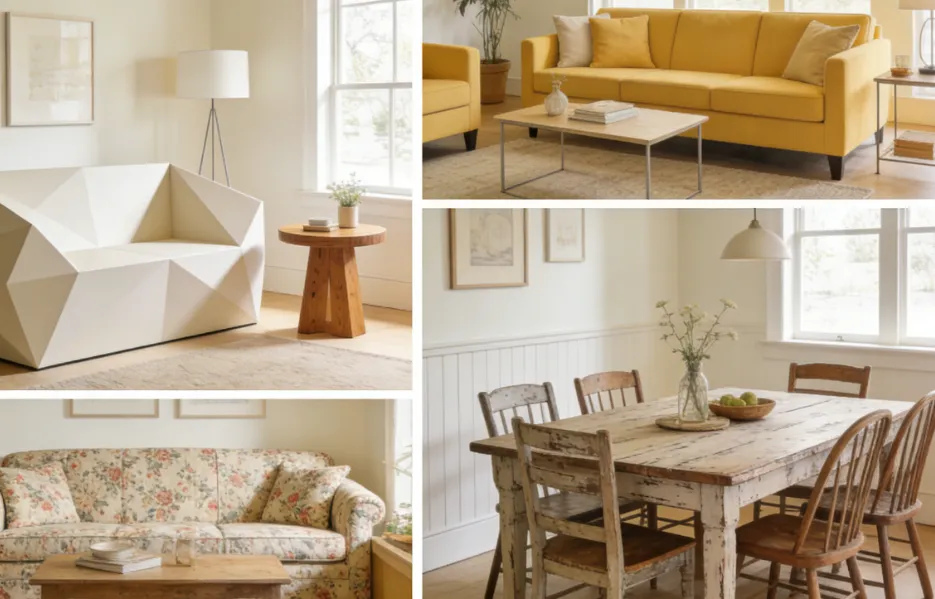
Today, I’m breaking down four of the most popular home decor styles in the U.S. and Europe: Modern Minimalism, Nordic (Scandinavian) Style, Rustic Country, and Vintage/Retro. I’ll walk you through what defines each one, the key elements you need to pull it off, the spaces it works best in, and how to make it feel authentic (not forced). Whether you’re renting a small apartment or renovating a whole house, this guide will help you pick a style that fits your lifestyle, budget, and personality.
1. Modern Minimalism: Less Is More (But Make It Chic)
If you’ve ever walked into a home and thought, “Wow, this feels calm and clutter-free,” it was probably modern minimalism. This style has exploded in popularity over the last few years, especially among city dwellers and anyone who values simplicity, functionality, and clean lines. But let’s get one thing straight: minimalism isn’t about having nothing—it’s about having only what you love and what serves a purpose. It’s “less is more,” but make it intentional.
I first fell in love with modern minimalism when I lived in a 500-square-foot studio in Boston. I didn’t have space for extra furniture or knick-knacks, so I had to be ruthless about what I brought into my home. But what started as a necessity turned into a style I still love today. The best part? Minimalism works in any space—from tiny apartments to large homes—and it’s easy to adapt to your taste.
Key Elements of Modern Minimalism
- Clean, Straight Lines: Think sleek sofas with sharp edges, dining tables with simple rectangular or round shapes, and wall art with minimal detail. Avoid curved or ornate furniture—minimalism is all about simplicity.
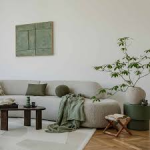
- Neutral Color Palette: Whites, grays, blacks, and soft beiges are the foundation of minimalism. You can add small pops of color (like a muted blue or sage green) with throw pillows, rugs, or a single piece of art, but keep it subtle. The goal is to create a calm, cohesive space.
- Functional Furniture: Every piece should have a purpose. A storage ottoman that doubles as extra seating, a coffee table with built-in drawers, or a bed with under-bed storage—these are all minimalism staples. No “decorative only” pieces allowed (unless they’re something you truly love).
- Negative Space: This is the secret to minimalism. Don’t overcrowd your rooms—leave empty space on walls, on shelves, and between furniture. Negative space makes a room feel larger, brighter, and more peaceful.
- Natural Materials (Optional but Recommended): While minimalism can be sleek and modern, adding natural materials like wood, stone, or linen softens the look. A wooden coffee table, a linen sofa, or a stone countertop adds warmth without cluttering the space.
Who Is Modern Minimalism For?
Minimalism is perfect for people who hate clutter, value functionality, and love a calm, serene home. It’s ideal for small spaces (since it doesn’t crowd the room) but also works in large homes—just make sure you don’t fill the space with unnecessary furniture. If you’re someone who likes to switch up their decor often, minimalism is also great because it’s easy to update with small changes (like new throw pillows or a different piece of art) without overhauling the entire room.
Pro Tips for Pulling Off Modern Minimalism
– Start with a neutral base: Paint your walls white or light gray, and invest in neutral-colored furniture. This gives you a blank canvas to work with.
– Declutter ruthlessly: Before you start decorating, go through every room and get rid of anything you don’t use, don’t love, or don’t need. Minimalism can’t work with clutter.
– Add texture, not color: Instead of adding bright colors, add texture to keep the space interesting. A chunky knit throw, a jute rug, or a woven basket adds depth without cluttering the space.
– Don’t be afraid of empty walls: You don’t need to cover every wall with art. A single, large piece of minimal art (or even no art at all) looks better than a wall full of small, random pieces.
2. Nordic (Scandinavian) Style: Bright, Airy, and Cozy
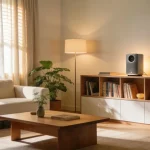
If modern minimalism feels a little too cold for you, Nordic (or Scandinavian) style might be the perfect middle ground. Originating from countries like Sweden, Denmark, and Norway, this style is all about bringing the outdoors in—think bright light, natural materials, and a cozy, welcoming vibe. It’s minimal but warm, simple but inviting, and it’s perfect for anyone who loves a home that feels like a hug.
I visited Copenhagen a few years ago, and I fell in love with how every home felt bright and cozy, even on the grayest days. The secret? Large windows, light colors, and lots of natural materials. When I got back to the U.S., I incorporated Nordic elements into my living room, and it’s now my favorite space in the house. It’s bright, airy, and feels like a little piece of Scandinavia right here in Colorado.
Key Elements of Nordic Style
- Bright, Light Colors: White is the star of Nordic style—painted walls, ceilings, and even furniture. You’ll also see soft pastels (like light blue, pale pink, and mint green) and warm neutrals (beige, light gray) to add warmth. The goal is to maximize natural light and make the space feel open and airy.
- Natural Materials: Wood is a must—light-colored woods like pine, oak, and birch are common in Nordic furniture (think wooden dining tables, chairs, and bookshelves). You’ll also see linen, wool, and cotton for textiles (throw pillows, blankets, curtains) and stone or ceramic for decor.
- Cozy Textiles: Nordic style is all about coziness (they call it “hygge” in Danish!). Chunky knit blankets, soft wool rugs, and linen throw pillows add warmth and comfort. Even in a bright, light space, these textiles make the room feel inviting.
- Functional, Simple Furniture: Like minimalism, Nordic furniture is functional and simple, but it’s softer and more inviting. Think curved sofa arms, rounded dining table edges, and comfortable chairs with soft cushions. No sharp, cold lines here—everything is designed to be lived in.
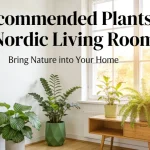
- Plants: Bringing the outdoors in is key to Nordic style. Large potted plants (like fiddle-leaf figs, snake plants, or pothos) add color and life to the space. Even small succulents on a windowsill work—anything to add a touch of green.
Who Is Nordic Style For?
Nordic style is perfect for people who love bright, airy spaces but also want a cozy, welcoming vibe. It’s great for homes with lots of natural light (but it works in darker spaces too—just add more artificial light, like floor lamps or pendant lights). If you’re someone who loves nature and wants to bring that into your home, Nordic style is a great fit. It’s also perfect for families—since the furniture is functional and comfortable, it’s easy to live in (no “off-limits” rooms here).
Pro Tips for Pulling Off Nordic Style
– Maximize natural light: Keep curtains light and sheer (or skip them altogether if you have privacy) to let in as much light as possible. If your space is dark, add warm white light bulbs to mimic natural light.
– Mix light woods: Don’t be afraid to mix different light woods (like pine and oak) for furniture and decor. It adds depth and texture without cluttering the space.
– Add a pop of color (but keep it subtle): While Nordic style is mostly light and neutral, a small pop of color (like a red throw pillow or a blue vase) can add interest. Just keep it to one or two pops—too many colors will break the calm vibe.
– Embrace “hygge”: Add cozy elements like a fireplace (or a fake one!), soft blankets, and warm lighting. The goal is to make your home feel like a place where you can relax and unwind.
3. Rustic Country Style: Warm, Welcoming, and Full of Character
If you love the charm of a farmhouse, a cabin in the woods, or a cottage in the countryside, rustic country style is for you. This style is all about warmth, comfort, and character—think wooden beams, vintage decor, and a cozy, lived-in vibe. It’s not about being perfect; it’s about being authentic. Rustic country style is popular in rural areas, but it’s also a great way to add warmth to suburban or even city homes.
My in-laws live in a farmhouse in Vermont, and every time I visit, I’m reminded of how cozy rustic country style can be. The exposed wooden beams, the stone fireplace, the vintage kitchen table—all of it feels like home. When we moved into our suburban home, I added a few rustic country elements (like a wooden dining table and a vintage mirror) to make it feel warmer and more welcoming. It’s the perfect style for anyone who loves a home with history and character.
Key Elements of Rustic Country Style
- Natural, Dark Woods: Unlike Nordic style, rustic country uses darker woods like oak, walnut, and pine. Exposed wooden beams, wooden floors, and wooden furniture (with a distressed finish) are staples. The goal is to create a warm, earthy vibe.
- Distressed and Vintage Decor: Rustic country is all about character, so distressed furniture (think chipped paint, worn edges) and vintage decor (like old signs, mason jars, and antique frames) are key. You don’t have to buy expensive antiques—thrift stores and flea markets are great places to find unique pieces.
- Earthy Color Palette: Browns, tans, greens, and deep reds are common in rustic country style. These colors mimic the outdoors (think trees, soil, and wildflowers) and add warmth to the space. You can also add soft neutrals (like beige or cream) to balance out the darker colors.
- Textiles with Texture: Plaid, gingham, and burlap are common textiles in rustic country style. Throw blankets, curtains, and tablecloths in these patterns add texture and warmth. You’ll also see wool and cotton for softness.
- Natural Elements: Bring the outdoors in with elements like stone (fireplaces, countertops), antlers, dried flowers, and pinecones. These elements add to the rustic, country vibe and make the space feel connected to nature.
Who Is Rustic Country Style For?
Rustic country style is perfect for people who love warmth, character, and a cozy, lived-in vibe. It’s great for homes with large spaces (like farmhouses or cabins) but can also work in smaller homes—just keep the furniture and decor simple. If you’re someone who loves vintage items, thrifting, and creating a home with history, rustic country style is a great fit. It’s also perfect for families—since the furniture is sturdy and comfortable, it’s easy to live in.
Pro Tips for Pulling Off Rustic Country Style
– Mix old and new: You don’t have to decorate with all vintage pieces. Mix a vintage dining table with new chairs, or a new sofa with a vintage throw blanket. It adds balance and keeps the space from feeling too “old-fashioned.”
– Don’t overdo it: Rustic country can easily feel cluttered if you add too many decor pieces. Stick to a few key vintage items and natural elements, and leave some space to keep the room feeling open.
– Add warmth with lighting: Use warm, yellow light bulbs (instead of cool white) to create a cozy vibe. Pendant lights with wooden shades or metal fixtures (like iron) are perfect for rustic country style.
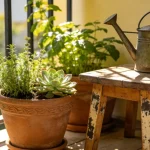
– Incorporate plants: While rustic country is earthy, adding a few green plants (like succulents or ferns) adds life and color to the space.
4. Vintage/Retro Style: Nostalgic, Fun, and Full of Personality
If you love the styles of the 50s, 60s, 70s, or 80s, vintage/retro style is for you. This style is all about nostalgia—think bold colors, fun patterns, and iconic furniture pieces from decades past. It’s not about copying a specific era; it’s about mixing and matching retro elements to create a space that feels unique and full of personality. Vintage/retro style is perfect for anyone who loves to stand out and isn’t afraid to have fun with their decor.
I’ve always loved vintage decor—my mom has a 70s-era velvet sofa that I’ve been begging to borrow for years. When I decorated my home office, I went all in on retro style: a mid-century modern desk, a 60s-style lamp, and a bold geometric rug. It’s fun, it’s unique, and it makes me smile every time I walk in. The best part about vintage/retro style is that there are no rules—you can mix eras, colors, and patterns to create a space that’s totally you.
Key Elements of Vintage/Retro Style
- Bold Colors and Patterns: Retro style is all about color—think bright oranges, yellows, greens, and blues. Geometric patterns (like stripes, polka dots, and chevrons) are also common. Don’t be afraid to mix colors and patterns—retro style is all about being fun and bold.
- Iconic Furniture Pieces: Mid-century modern furniture (like Eames chairs, tapered leg tables, and velvet sofas) is a staple of retro style. You’ll also see 70s-style bean bags, 80s-style neon signs, and 50s-style dinette sets. These pieces add nostalgia and character to the space.
- Vintage Decor: Old records, vinyl players, vintage posters, and retro kitchenware (like Pyrex dishes) are perfect for adding retro charm. Thrift stores, flea markets, and online marketplaces (like Etsy) are great places to find these pieces.
- Textures with Personality: Velvet, corduroy, and shaggy rugs are common in retro style. These textures add warmth and fun to the space. You’ll also see metallic accents (like gold or brass) to add a touch of glamour.
- Mix and Match Eras: The best part of retro style is that you can mix elements from different decades. A 50s dinette set with a 70s velvet sofa and an 80s neon sign? That’s retro style at its best. There are no rules—just have fun with it.
Who Is Vintage/Retro Style For?
Vintage/retro style is perfect for people who love nostalgia, fun, and unique decor. It’s great for anyone who isn’t afraid to be bold and stand out. If you’re someone who loves thrifting, collecting vintage items, or mixing and matching styles, retro style is a great fit. It works in any space—from small apartments to large homes—and it’s easy to adapt to your taste. Just remember: retro style is about personality, not perfection.
Pro Tips for Pulling Off Vintage/Retro Style
– Start small: If you’re new to retro style, don’t overhaul your entire home. Start with a few key pieces (like a retro lamp or a bold rug) and build from there.
– Balance bold with neutral: If you’re using bold colors and patterns, balance them with neutral walls and furniture. This keeps the space from feeling overwhelming.
– Mix high and low: You don’t have to buy expensive vintage pieces. Mix a thrifted retro chair with a new sofa, or a vintage poster with new frames. It adds balance and keeps the space affordable.
– Have fun: Retro style is all about personality—don’t worry about following rules. If you love a piece, even if it’s “out of place,” add it to your space. It’s your home, and it should feel like you.
How to Choose the Right Style for You (The Ultimate Guide)
Now that you know the basics of each style, how do you choose the right one for your home? It all comes down to three things: your personal taste, your living space, and your lifestyle. Here’s a step-by-step guide to help you decide:
Step 1: Figure Out Your Personal Taste
The first step is to ask yourself: What do you love? Do you prefer calm, neutral spaces (minimalism, Nordic) or bold, fun spaces (retro)? Do you love natural materials (rustic country, Nordic) or sleek, modern materials (minimalism)? Do you feel most at home in a cozy, lived-in space (rustic country, Nordic) or a clean, clutter-free space (minimalism)?
A great way to figure this out is to create a Pinterest board. Pin images of homes, furniture, and decor that you love. After a few days, look for patterns—are most of your pins minimal? Nordic? Retro? That will give you a good idea of what style resonates with you.
Step 2: Consider Your Living Space
Your living space plays a big role in choosing a decor style. For example:
- Small Apartments: Minimalism and Nordic style are great because they don’t crowd the space. Avoid large, bulky furniture (like a big rustic country sofa) that will make the room feel smaller.
- Large Homes/Farmhouses: Rustic country and Nordic style work well here—you have space to add large furniture, exposed beams, and natural elements. Retro style can also work if you have the space to mix bold pieces.
- Dark Spaces: Nordic style is perfect because it uses light colors and maximizes natural light. You can also add extra lighting (like floor lamps or pendant lights) to brighten the space.
- Bright Spaces: Any style works, but minimalism and Nordic style will enhance the natural light. Rustic country and retro style can also work—just make sure the colors and patterns don’t overpower the light.
Step 3: Think About Your Lifestyle
Your lifestyle should also influence your decor style. For example:
- Families with Kids/Pets: Rustic country and Nordic style are great because the furniture is sturdy and easy to clean. Avoid delicate fabrics (like velvet) or light colors that will show stains.
- People Who Travel Often: Minimalism is perfect because it’s low-maintenance—you don’t have to worry about dusting lots of decor or caring for delicate pieces.
- People Who Love to Host: Rustic country and Nordic style are great because they’re cozy and welcoming. Retro style can also be fun for hosting—your guests will love the unique, bold decor.
Step 4: Don’t Be Afraid to Mix Styles
Here’s a little secret: You don’t have to stick to just one style. In fact, mixing styles can make your home feel more unique and personal. For example, you could have a minimalistic living room with a Nordic-style rug and a retro lamp. Or a rustic country kitchen with a modern minimalistic dining table. The key is to find a balance—pick one main style and add small elements from other styles to make it your own.
Final Thoughts: Your Home Should Feel Like You
At the end of the day, the best decor style is the one that makes you feel happy, comfortable, and at home. Don’t worry about following trends or what other people think—decorate your home for you. Whether you choose modern minimalism, Nordic style, rustic country, retro, or a mix of all four, the most important thing is that your home reflects your personality and lifestyle.
I hope this guide has helped you understand the different decor styles and how to choose the right one for your space. Remember, decorating is a process—take your time, experiment, and have fun. Your perfect home is waiting for you.
Now, tell me—what style are you most excited to try? Do you have any questions about decorating your home? Leave a comment below—I’d love to hear from you!