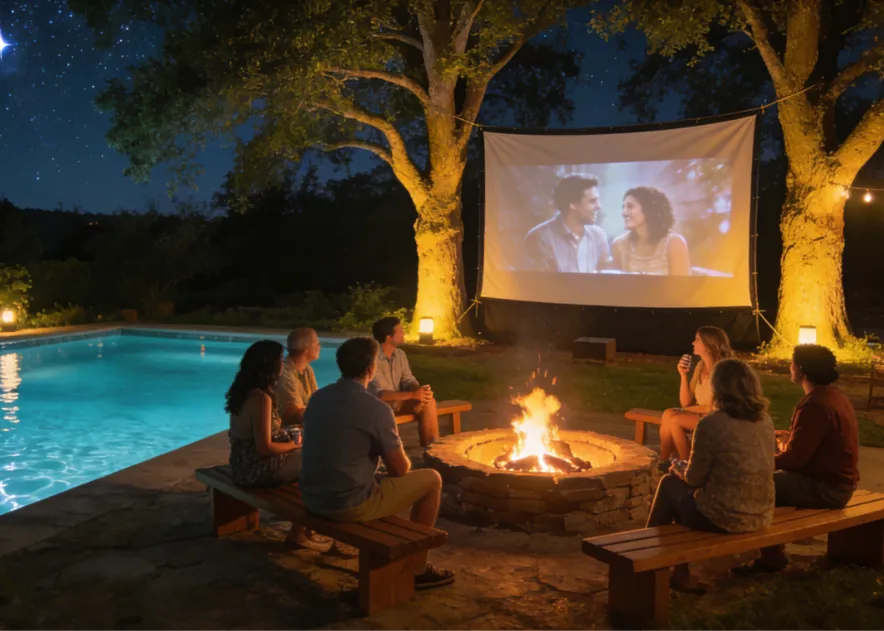
There’s nothing quite like gathering with family and friends under the open sky—laughter floating on the breeze, the smell of grilled food lingering in the air, and the warmth of good company making every moment feel special. If you’re lucky enough to have outdoor space, transforming it into a functional, inviting entertainment hub isn’t just a home upgrade—it’s an investment in memories. Whether you dream of cozy movie nights under the stars, lively conversations around a crackling fire pit, or cooling off in a sparkling pool with loved ones, designing an outdoor space that checks all these boxes is easier than you think. As someone who’s spent years perfecting my own backyard oasis (and hosting countless gatherings that my friends still talk about), I’m here to share my tried-and-true tips for creating an outdoor entertainment space that’s perfect for family, friends, and every occasion in between.
First, let’s start with the basics: understanding your space and your needs. No two backyards (or patios, or decks) are the same, and what works for a small urban yard won’t necessarily work for a sprawling suburban property. Before you pick up a hammer or start shopping for furniture, take a step back and ask yourself a few key questions: How often do you host gatherings? Are they small, intimate get-togethers (think 4-6 people) or large parties (20+ guests)? Do you have kids who will be using the space, or is it mostly for adults? What’s your budget? And most importantly, which features matter most to you—Is a fire pit non-negotiable? Do you crave a pool for summer days? Or is a cozy outdoor movie area your top priority? Answering these questions will help you prioritize features, stay within budget, and create a space that feels tailored to your lifestyle—not just a carbon copy of something you saw on Pinterest.
In this guide, I’ll break down how to design three of the most popular outdoor entertainment features: a stunning outdoor movie area, a welcoming fire pit zone, and a refreshing outdoor pool—plus how to tie them all together with seating, lighting, and other finishing touches that will make your space feel like an extension of your home. Let’s dive in.
Designing Your Dream Outdoor Movie Area: Stars, Screens, and Comfort
Outdoor movie nights are the ultimate family-friendly gathering activity—think nostalgia-inducing classics, popcorn buckets overflowing, and blankets piled high as you watch the sunset fade into a sky full of stars. But pulling off a great outdoor movie experience isn’t just about throwing a projector on a sheet (though let’s be real, that’s a charmingly low-effort option for impromptu nights). To create a space that’s comfortable, functional, and Instagram-worthy (because let’s face it, we all want to share those perfect moments), you’ll need to focus on three key elements: the screen, the sound, and the seating.
Choosing the Right Screen: Size, Location, and Durability
The screen is the centerpiece of your outdoor movie area, so it’s important to choose one that fits your space and can withstand the elements. First, consider the size: you want a screen that’s large enough for everyone to see clearly, but not so large that it overwhelms your yard. A good rule of thumb is to measure the distance from your seating area to where the screen will be—your screen width should be about 1/4 to 1/3 of that distance. For example, if your seating is 12 feet away from the screen, a 4-6 foot wide screen will work perfectly. If you have a larger yard and plan to host more people, go bigger—8-10 foot wide screens are ideal for groups of 10 or more.
Next, location. You’ll want to place your screen in an area that’s shaded during the day (if you plan to host daytime movie events) and has minimal glare at night. Avoid placing it directly facing the sun, as this will make the image hard to see. If you don’t have a natural shaded area, consider adding a pergola or a retractable awning to block the sun. Also, make sure the area behind the screen is clear—you don’t want trees, fences, or other objects blocking the view. For a seamless look, you can mount the screen on a fence, a wall of your house, or even a dedicated screen frame. If you’re renting or don’t want a permanent installation, a portable outdoor screen is a great option—they’re easy to set up and take down, and many are weather-resistant.
Durability is key when it comes to outdoor screens. Look for screens made from weather-resistant materials like vinyl, polyester, or canvas—these materials can withstand rain, wind, and sun without fading or tearing. Avoid paper or thin fabric screens, as they’ll easily get damaged by the elements. If you live in an area with strong winds, make sure your screen is securely anchored to a frame or wall to prevent it from blowing over.
Sound System: Clear Audio Without the Echo
A great movie experience isn’t complete without good sound—and outdoor spaces can be tricky because sound tends to echo or get lost in the open air. You don’t need a fancy, expensive sound system, but you do need something that’s loud enough for everyone to hear clearly, even if there’s a light breeze or background noise (like kids playing or birds chirping).
For small to medium-sized spaces, a portable Bluetooth speaker or two will work perfectly. Look for speakers that are weather-resistant (IPX5 or higher) so they can handle rain or splashes. Place the speakers on either side of the screen, at ear level for seated guests, to create a balanced sound experience. If you have a larger space or want a more immersive sound, consider investing in a dedicated outdoor sound system with mounted speakers. These systems are designed to withstand the elements and can be connected to your projector or a streaming device for seamless audio.
Pro tip: If you’re worried about disturbing neighbors, opt for speakers with adjustable volume and place them facing your seating area (not outward toward other houses). You can also add soft furnishings like outdoor rugs, cushions, and curtains to absorb sound and reduce echo.
Seating: Cozy, Comfortable, and Versatile
The goal of outdoor movie night is to relax and enjoy, so your seating should be as comfortable as possible. Forget stiff patio chairs—think soft, plush seating that invites guests to sink in and stay a while. Here are a few of my favorite seating options for outdoor movie areas:
- Outdoor Sectionals: A large outdoor sectional is perfect for families—there’s plenty of room for everyone to pile on, and many come with weather-resistant cushions that are easy to clean. Look for sectionals made from materials like wicker, aluminum, or teak, which are durable and low-maintenance.
- Bean Bags and Floor Cushions: These are great for kids (and kids at heart!). They’re lightweight, easy to move around, and add a casual, fun vibe to the space. Opt for weather-resistant bean bags or cushions with removable, washable covers.
- Blankets and Outdoor Rugs: Even if you have seating, adding a few outdoor rugs and piles of cozy blankets will make the space feel warm and inviting. Guests can spread out on the rug, wrap up in a blanket, and get comfortable—perfect for cool summer nights.
- Adirondack Chairs: For a classic, timeless look, add a few Adirondack chairs around the perimeter of the seating area. They’re sturdy, comfortable, and look great in any outdoor space. Pair them with small side tables for holding popcorn, drinks, or snacks.
No matter what seating you choose, make sure there’s enough for everyone—and a little extra for unexpected guests. You can also add a small coffee table or a rolling cart for holding snacks and drinks, so guests don’t have to get up constantly during the movie.
Finishing Touches for Your Outdoor Movie Area
To take your outdoor movie area to the next level, add a few finishing touches that will make it feel magical. String lights are a must—they add a warm, cozy glow and create a festive atmosphere. You can hang them above the seating area, around the screen, or along a fence. Solar-powered string lights are a great eco-friendly option, as they don’t require an outlet and charge during the day.
Another fun touch is a popcorn station! Set up a small table with a popcorn maker, bowls, and a variety of toppings (butter, cheese, caramel, sprinkles)—it’s a great way to get guests involved and add a nostalgic feel to the night. You can also add a cooler with drinks (soda, lemonade, iced tea, or even a few adult beverages for the grown-ups) so everyone can stay hydrated.
Finally, don’t forget about lighting for safety. Add a few path lights leading to the movie area so guests can navigate the space easily in the dark. You can also use lanterns or LED candles (for safety) to add extra light and ambiance.
Creating a Welcoming Fire Pit Zone: The Heart of Your Outdoor Gatherings
If outdoor movie nights are for relaxation, fire pits are for connection. There’s something about a crackling fire that brings people together—whether you’re roasting marshmallows with the kids, having a deep conversation with friends, or just enjoying the warmth on a cool evening. A well-designed fire pit zone is the heart of any outdoor entertainment space, and it’s easier to create than you might think. From choosing the right fire pit to designing the surrounding seating, here’s everything you need to know.
Choosing the Right Fire Pit: Permanent vs. Portable
The first decision you’ll need to make is whether to go with a permanent fire pit or a portable one. Both have their pros and cons, so it’s important to consider your needs and lifestyle.
Permanent Fire Pits: These are ideal if you have a dedicated space and want a long-term investment. They’re typically built into the ground or on a patio, using materials like stone, brick, or concrete. Permanent fire pits are sturdy, durable, and can be customized to match your outdoor decor. They also tend to be larger, so they’re great for hosting groups. However, they require more planning and installation—you’ll need to check local building codes (many areas have rules about fire pit placement and size) and possibly hire a professional to install it. You’ll also need to make sure the fire pit is placed at least 10 feet away from your house, trees, or other flammable materials.
Portable Fire Pits: If you’re renting, have a small space, or want flexibility, a portable fire pit is the way to go. They come in a variety of sizes and styles—from small metal bowls to larger, more elaborate designs—and are easy to set up and move around. Portable fire pits are also more affordable than permanent ones, making them a great option for budget-conscious homeowners. Just make sure to place them on a non-flammable surface (like a patio stone or a fire pit pad) to prevent damage to your grass or deck. Also, check local rules—some areas restrict the use of portable fire pits, especially during dry seasons.
No matter which type you choose, look for a fire pit with a screen or lid to prevent sparks from flying (important for safety) and a drainage hole to prevent water from pooling inside. For a more eco-friendly option, consider a propane fire pit—they don’t produce smoke or ash, and they’re easy to turn on and off with the push of a button. Propane fire pits are also great for areas where wood-burning fires are restricted.
Designing the Surrounding Seating: Circle Up for Connection
The seating around your fire pit should be designed to encourage conversation and connection—so forget linear seating arrangements. Instead, arrange your seating in a circle or a semi-circle around the fire pit, so everyone can see and talk to each other easily. The goal is to create a cozy, intimate space where guests feel comfortable lingering.
Here are a few seating ideas for your fire pit zone:
- Built-in Benches: If you have a permanent fire pit, built-in stone or wood benches are a great option. They’re sturdy, low-maintenance, and can be customized to fit the size of your fire pit. You can add cushions to make them more comfortable—just make sure they’re weather-resistant.
- Adirondack Chairs: As I mentioned earlier, Adirondack chairs are perfect for fire pit areas. They’re comfortable, classic, and easy to arrange in a circle. Pair them with small side tables for holding drinks or marshmallow sticks.
- Outdoor Loveseats: For a more intimate seating option, add a few outdoor loveseats around the fire pit. They’re great for couples or small groups, and they add a touch of elegance to the space.
- Ground Seating: For a casual, laid-back vibe, add a few floor cushions or outdoor rugs around the fire pit. Guests can sit on the ground, lean against the fire pit (if it’s cool enough), and enjoy the warmth. This is also a great option for kids.
Pro tip: Make sure there’s enough space between the seating and the fire pit—you want guests to be close enough to feel the warmth, but not so close that they get burned. A distance of 2-3 feet is ideal.
Safety First: Essential Fire Pit Rules
Fire pits are a lot of fun, but safety should always be your top priority. Here are a few essential safety rules to keep in mind:
- Always keep a fire extinguisher, a bucket of water, or a garden hose nearby in case of emergencies.
- Never leave the fire unattended—especially if there are kids or pets around. Make sure the fire is completely extinguished before going inside for the night.
- Don’t burn anything toxic—stick to dry wood, kindling, or propane. Avoid burning leaves, paper, or plastic, as they can produce harmful fumes.
- Check the weather before lighting a fire—avoid lighting a fire on windy days, as sparks can easily blow into nearby trees or structures.
- Make sure the fire pit is placed on a non-flammable surface (like stone, concrete, or a fire pit pad) to prevent fires from spreading.
Finishing Touches for Your Fire Pit Zone
To make your fire pit zone feel warm and inviting, add a few finishing touches. String lights are a great addition—hang them above the seating area or around the fire pit to create a cozy glow. You can also add outdoor lanterns or LED candles to add extra light and ambiance.
A marshmallow roasting station is a must for family gatherings! Set up a small table with marshmallow sticks, graham crackers, chocolate, and other s’mores ingredients—kids (and adults) will love making their own s’mores. You can also add a small cooler with drinks nearby, so guests don’t have to go far to get a refreshment.
Finally, add a few plants or flowers around the fire pit zone to add color and life. Choose low-maintenance, drought-resistant plants (like succulents, lavender, or rosemary) that can withstand the heat from the fire. You can also add a small garden bed or potted plants to create a natural, inviting backdrop.
Designing an Outdoor Pool: Cool Fun for Summer Gatherings
If you live in a warm climate (or just love summer), an outdoor pool is the ultimate outdoor entertainment feature. It’s perfect for cooling off on hot days, hosting pool parties with friends, and creating fun memories with the family. But designing an outdoor pool is a big investment, so it’s important to plan carefully. From choosing the right size and shape to adding safety features and surrounding amenities, here’s everything you need to know to design a pool that’s perfect for your gatherings.
Choosing the Right Pool Size and Shape
The size and shape of your pool will depend on your outdoor space, your budget, and how you plan to use it. If you have a small yard, a compact pool (like a plunge pool or a small rectangular pool) is a great option. Plunge pools are shallow, small pools that are perfect for cooling off—they’re also more affordable and easier to maintain than larger pools. If you have a larger yard and plan to host pool parties or have kids who love to swim, a larger rectangular or free-form pool is better. Free-form pools are great for irregularly shaped yards and have a more natural, organic look, while rectangular pools are classic and easy to fit into a structured patio or deck.
When choosing the size, consider how many people will be using the pool at once. A small pool (10×20 feet) can comfortably fit 4-6 people, while a larger pool (16×32 feet) can fit 10+ people. You should also consider the depth—if you have kids, a shallow end (3-4 feet) is essential, and a deep end (6-8 feet) is great for diving (if you have the space).
Safety Features: Non-Negotiable for Families
If you have kids or pets, safety features are non-negotiable when designing an outdoor pool. Here are a few essential safety features to consider:
- Pool Fence: A pool fence is required by law in many areas, and for good reason—it prevents kids and pets from accidentally falling into the pool. Choose a fence that’s at least 4 feet tall, with no gaps larger than 4 inches. You can choose from a variety of materials, including wood, metal, or glass—glass fences are great because they don’t block the view of the pool.
- Pool Cover: A pool cover is another essential safety feature. It can prevent kids and pets from falling into the pool when it’s not in use, and it also helps keep the pool clean (by keeping leaves and debris out). There are two main types of pool covers: manual covers (which you have to put on and take off yourself) and automatic covers (which are operated with a remote control). Automatic covers are more convenient, but they’re also more expensive.
- Pool Alarms: Pool alarms are a great extra layer of safety. They detect when someone falls into the pool and sound an alarm, alerting you to the danger. There are a variety of pool alarms available, including surface wave alarms (which detect ripples in the water) and underwater motion alarms (which detect movement underwater).
- Steps and Ladders: Make sure your pool has easy access with steps or ladders—this is especially important for kids and older adults. Steps should be wide and slip-resistant, and ladders should be sturdy and secure.
Surrounding Amenities: Making the Pool Area Functional and Inviting
A great pool area isn’t just about the pool—it’s about the surrounding amenities that make it functional and inviting. Here are a few must-have amenities for your pool area:
- Pool Deck: A pool deck is essential for sunbathing, relaxing, and getting in and out of the pool. Choose a material that’s slip-resistant (like concrete, stone, or tile) to prevent accidents. You can also add a patio area with outdoor furniture for seating.
- Outdoor Shower: An outdoor shower is a great addition to any pool area—it allows guests to rinse off chlorine or saltwater before going inside the house. You can choose a simple, wall-mounted shower or a more elaborate freestanding shower with hot and cold water.
- Shade Structure: Sun protection is important, especially during hot summer days. Add a shade structure like a pergola, a retractable awning, or a umbrellas over the pool deck. This will give guests a place to cool off and avoid sunburn.
- Outdoor Kitchen or Grill Area: If you love hosting pool parties, an outdoor kitchen or grill area is a must. You can cook up burgers, hot dogs, and other poolside snacks without having to go inside the house. A small grill, a mini-fridge, and a countertop for prep work are all you need to create a functional outdoor kitchen.
- Seating: Add plenty of seating around the pool for guests to relax. Lounge chairs are perfect for sunbathing, while outdoor sofas and chairs are great for sitting and chatting. You can also add a few side tables for holding drinks and snacks.
Maintenance: Keeping Your Pool Clean and Ready for Gatherings
A pool is a big investment, so it’s important to keep it well-maintained to ensure it’s always ready for gatherings. Here are a few maintenance tips to keep in mind:
- Regular Cleaning: Skim the surface of the pool daily to remove leaves, debris, and bugs. Vacuum the pool weekly to remove dirt and algae from the bottom. You should also clean the pool filter regularly to keep the water clear.
- Water Chemistry: Test the pool water regularly (at least once a week) to make sure the pH, chlorine, and alkalinity levels are balanced. This will prevent algae growth and keep the water safe for swimming.
- Winterization: If you live in a climate with cold winters, you’ll need to winterize your pool to prevent damage. This involves draining the water, cleaning the pool, and covering it with a winter cover.
If you don’t have the time or energy to maintain the pool yourself, consider hiring a professional pool service. They can handle all the cleaning, maintenance, and water chemistry, so you can focus on enjoying your pool with family and friends.
Tying It All Together: Creating a Cohesive Outdoor Entertainment Space
Now that you’ve designed your outdoor movie area, fire pit zone, and pool area, it’s time to tie them all together to create a cohesive, functional space. The key is to use consistent design elements (like materials, colors, and lighting) to make the space feel like one unified area—not three separate zones.
Consistent Materials and Colors
Choose a few key materials and colors and use them throughout your outdoor space. For example, if you use stone for your fire pit, use the same stone for your pool deck or patio. If you choose a color palette of neutral tones (like beige, gray, and brown) for your outdoor furniture, use the same tones for your cushions, rugs, and accessories. This will create a cohesive look and make the space feel polished and intentional.
Lighting: Connecting the Zones
Lighting is a great way to connect the different zones of your outdoor space. Use string lights, path lights, and lanterns to create a warm, inviting glow that flows from one area to the next. For example, hang string lights above the movie area, along the path to the fire pit, and around the pool deck. This will not only make the space feel cohesive but also make it safe for guests to move between zones at night.
Flow: Making It Easy to Move Between Zones
Make sure there’s a clear flow between the movie area, fire pit zone, and pool area. Use paths or walkways to connect the zones, and make sure the paths are wide enough for guests to walk comfortably. Avoid placing furniture or other objects in the way, as this can block the flow and make the space feel cramped. You should also consider the distance between zones—you don’t want the fire pit to be too close to the pool (for safety) or the movie area to be too far from the seating (so guests can easily move between the two).
Flexibility: Designing for All Occasions
Finally, design your space to be flexible so it can accommodate different types of gatherings. For example, the outdoor movie area can double as a seating area for pool parties, and the fire pit zone can be used for intimate dinners or large gatherings. Choose furniture that’s easy to move around (like portable chairs or bean bags) so you can rearrange the space based on your needs. You should also consider adding storage space (like outdoor cabinets or a storage bench) to keep extra cushions, blankets, and pool toys organized.
Final Thoughts: Creating Memories That Last a Lifetime
Designing an outdoor entertainment space for family and friends isn’t just about creating a beautiful backyard—it’s about creating a space where memories are made. Whether you’re hosting a casual movie night, a lively pool party, or a cozy fire pit gathering, your outdoor space should be a reflection of your personality and your love for spending time with loved ones.
Remember, there’s no “perfect” outdoor space—what matters most is that it works for you and your family. Don’t be afraid to experiment with different designs, materials, and features until you find what feels right. And most importantly, don’t forget to enjoy the space! Invite your family and friends over, fire up the grill, put on a movie, or light the fire pit—and make memories that will last a lifetime.
Whether you’re starting from scratch or upgrading an existing space, the tips in this guide will help you create an outdoor entertainment space that’s perfect for gatherings of all sizes. So grab your notebook, start planning, and get ready to transform your backyard into the ultimate gathering spot for family and friends.