Before starting a new photography journey, choosing the right gear is a crucial step. From cameras to lenses and various accessories, the right equipment can make your shooting experience much more efficient. Today, let’s share some practical tips to help you select the most suitable photography gear.
1. Determine Your Shooting Style and Budget First
Before purchasing equipment, think carefully about what subjects you mainly shoot.
Landscape Photography:
Requires wide-angle lenses and high-resolution cameras to capture vast, majestic scenes.
Portrait Photography:
Large-aperture lenses and cameras with accurate autofocus help highlight your subject.
Sports Photography:
High-speed continuous shooting and fast autofocus are essential.
Your budget also matters. Photography equipment ranges from a few thousand to tens of thousands in price. Set a reasonable budget based on your financial situation. There’s no need to blindly pursue high-end gear—what suits you best is the right choice.
2. Choosing a Camera
(1) Sensor Size and Camera Type
Full-Frame Cameras
- Larger sensors with excellent image quality
- Wide dynamic range and strong low-light performance
- Can produce shallow depth of field to emphasize the subject
- More expensive, larger, and heavier
- Representative models: Canon EOS R5, Nikon Z7 II, Sony A7R IV
APS-C Cameras
- Affordable and lightweight, suitable for beginners and daily shooting
- Image quality is sufficient for most needs
- Representative models: Canon EOS M50, Nikon D3500, Fujifilm X-T30
Mirrorless vs DSLR
- Mirrorless: Lightweight, fast autofocus, strong video capabilities (e.g., Sony A6000 series)
- DSLR: Optical viewfinder offers a realistic experience, mature handling, but bulkier (e.g., Canon 5D series)
(2) Key Camera Specifications
- Megapixels: 20–40 MP is enough for most purposes; too many pixels mean larger file sizes.
- ISO (Sensitivity): Cameras with strong high-ISO performance are ideal for low-light shooting (e.g., Sony A7S series).
- Autofocus System: Fast, accurate AF helps capture fleeting moments.
- Burst Speed: Essential for sports and wildlife photography (e.g., Nikon D6, about 14 fps).
3. Choosing a Lens
(1) The Importance of Focal Length
- Wide-Angle (14–35mm): Best for landscapes, architecture, large scenes.
- Standard (35–70mm): Natural field of view; great for portraits, street photography, everyday use.
- Telephoto (70mm+): Brings distant subjects closer; ideal for wildlife and sports.
(2) How Aperture Affects Your Image
- Large Aperture (f/1.4, f/1.8): More light, shallow depth of field, pleasing background blur.
- Small Aperture (f/8, f/11): Large depth of field; everything from foreground to background is sharp—great for landscapes and architecture.
(3) Prime vs Zoom Lenses
- Prime Lenses: Large apertures and sharp image quality, but fixed focal length.
- Zoom Lenses: Flexible focal range for various scenarios, though usually with smaller apertures.
4. Choosing Accessories
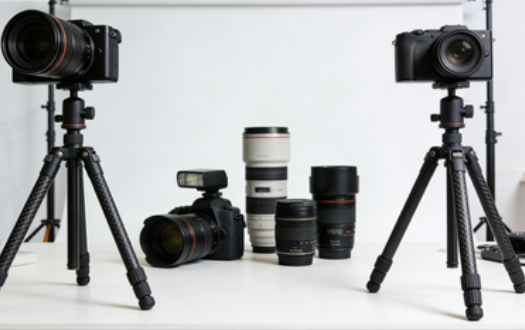
- Tripod: Essential for long exposure, low-light, and telephoto shooting. Carbon fiber is lightweight; aluminum is more affordable.
- Shutter Release Cable: Prevents camera shake when shooting long exposures.
- Flash: External flashes offer stronger light, more flexibility, and better overall effects than built-in flashes.
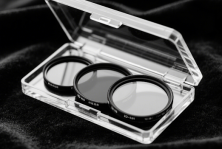
- Filters:
- UV Filter: Protects the lens.
- Polarizer: Reduces reflections and enhances colors.
- Graduated ND Filter: Balances scenes with high contrast.
- Memory Cards & Batteries: High-speed, large-capacity cards and spare batteries prevent interruptions.
- Camera Bag: Choose based on your gear. Shoulder bags offer quick access; backpacks are better for long carries.
Conclusion
When choosing photography gear, consider your shooting style, budget, and the features of the camera, lenses, and accessories. Do plenty of research and comparison, and try the equipment in a physical store if possible. With the right gear prepared, you’ll be ready to embark on an enjoyable photography adventure!