Let’s be real—life in the modern world is chaotic. Between back-to-back meetings, endless to-do lists, kids’ extracurriculars, and the constant buzz of notifications, it’s easy to feel like we’re running on fumes. We all crave that one spot where we can hit pause, breathe in fresh air, and let the stress of the day melt away. For me, that spot isn’t inside my house—it’s my outdoor relaxation space. A place where I can sink into a cozy swing chair at sunset, soak in a hot tub under the stars, and forget about deadlines or grocery runs. It’s not just a “patio” or a “yard”—it’s my personal sanctuary, and it’s easier to create than you might think.
As someone who’s spent years perfecting their outdoor oasis (and helping friends do the same), I’m here to share my secrets. This isn’t about creating a fancy, Instagram-perfect space that costs a fortune. It’s about designing a spot that feels like you—a space that invites you to slow down, relax, and reconnect with nature. Whether you have a tiny balcony, a modest backyard, or a sprawling garden, you can transform it into a haven for relaxation. And yes, that includes adding those dreamy touches like a swing chair and an outdoor hot tub—two of my favorite elements that make this space feel like a luxury escape without leaving home.
In this guide, I’ll walk you through every step of creating your own outdoor relaxation space, from choosing the right location to picking the perfect furniture, adding cozy details, and making the most of elements like swing chairs and hot tubs. I’ll share my personal tips, mistakes to avoid, and product recommendations that have worked for me and my friends. Because everyone deserves a spot where they can unwind—and with a little planning, you can have yours too.
Step 1: Start with the “Why” – What Does Relaxation Mean to You?
Before you start buying furniture or digging up your yard, take a minute to ask yourself: What does relaxation look like for me? Is it curling up with a book and a cup of tea, feeling the breeze on your face? Is it soaking in warm water, watching the stars, and listening to crickets? Or is it sitting with a friend, having a casual chat without distractions? Your outdoor space should be tailored to your unique needs—because if it doesn’t align with how you like to unwind, you won’t use it.
For me, relaxation is a mix of solitude and comfort. I love spending quiet evenings alone in my swing chair, sipping a glass of wine and watching the sunset. I also enjoy weekend afternoons soaking in my hot tub with my partner, talking about our week and letting the warm water ease our sore muscles. So my space is designed to accommodate both—cozy nooks for alone time and open areas for connection. Your “why” will guide every decision you make, from the location of your swing chair to the size of your hot tub.
Pro tip: Grab a notebook and jot down 3-5 things you want to do in your outdoor space. Do you want to read? Meditate? Host small gatherings? Soak in a hot tub? Swing? This list will be your North Star as you design your space.
Step 2: Choose the Perfect Location – Privacy, Sunlight, and Comfort
The location of your outdoor relaxation space is everything. You want a spot that feels private (so you don’t feel like your neighbors are watching), gets the right amount of sunlight (not too much, not too little), and is easily accessible from your house (so you’ll actually use it). Let’s break this down:
Privacy First
Nothing kills relaxation like feeling exposed. If your yard is overlooked by neighbors, don’t worry—there are easy ways to add privacy without spending a fortune. I added tall hedges along the edge of my patio (privet works great and grows quickly) and hung outdoor curtains around my hot tub area. Curtains are a game-changer—they’re affordable, easy to install, and can be pulled back when you want more light or opened for privacy. You could also use a privacy screen, a trellis with climbing plants (like wisteria or ivy), or even a few large potted plants to create a sense of seclusion.
Sunlight Matters
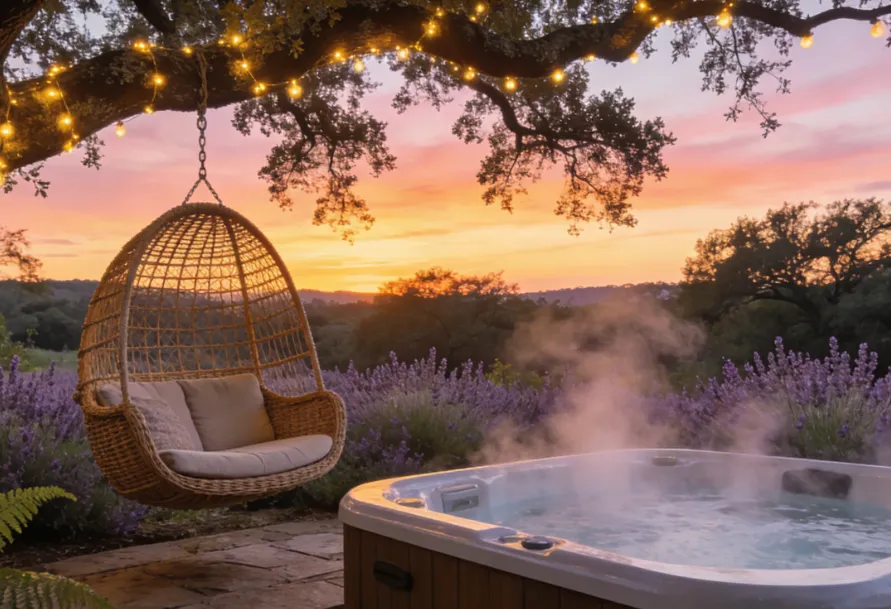
Think about when you’ll use your space most. If you’re a morning person who loves sipping coffee outside, you’ll want a spot that gets morning sun. If you prefer evening relaxation (like me), look for an area that’s shaded in the afternoon and gets soft, golden light at sunset. Avoid spots that are in direct sunlight all day—unless you want to add a canopy or umbrella to block the heat. I placed my swing chair under a large oak tree in my backyard—it gets dappled sunlight during the day and is perfectly shaded for evening use. My hot tub is in a spot that gets sunset light, so I can watch the sky turn pink and orange while I soak.
Accessibility
Your outdoor space should be easy to get to—ideally, right off your kitchen, living room, or bedroom. If it’s a hassle to get to, you’ll be less likely to use it. I have a sliding glass door from my living room that leads directly to my patio and hot tub area. It takes two steps to get from my couch to my swing chair—perfect for those days when I just need a quick break.
Step 3: The Star of the Show – Choosing the Perfect Swing Chair
A swing chair is hands down one of the best investments you can make for your outdoor relaxation space. There’s something inherently calming about swinging back and forth, feeling the breeze, and being suspended just above the ground. It’s like being a kid again—without the responsibilities. But not all swing chairs are created equal. Here’s what to look for when choosing one, plus my top recommendations.
Types of Swing Chairs
There are three main types of outdoor swing chairs, and each has its own pros and cons. Choose based on your space, budget, and style:
1. Hanging Swing Chairs
These are the classic swing chairs—suspended from a tree branch, a ceiling beam, or a standalone frame. They’re perfect for small spaces (like balconies or tiny patios) because they don’t take up floor space. I have a hanging wicker swing chair that I suspended from a tree branch in my backyard. It’s lightweight, comfortable, and adds a bohemian touch to my space. The only downside? You need a strong tree branch or a frame to hang it from. If you don’t have a tree, you can buy a standalone swing frame (they’re affordable and easy to assemble).
2. Porch Swings
Porch swings are larger, usually seating 2-3 people, and are mounted to a porch ceiling or a frame. They’re great for families or if you want to swing with a partner or friend. My sister has a wooden porch swing on her front porch, and it’s the focal point of her outdoor space. She likes to decorate it with cushions and throw blankets, making it the perfect spot for Sunday afternoons with her kids. Porch swings are sturdier than hanging chairs, but they take up more space.
3. Swing Gliders
Swing gliders combine the motion of a swing with the stability of a chair. They glide back and forth instead of swinging, which is gentler and more relaxing for some people. They’re usually freestanding, so you don’t need to hang them—perfect if you don’t have a tree or porch ceiling. I have a swing glider on my patio, and it’s great for days when I want to read or chat with a friend. It’s more stable than a hanging swing, so I don’t have to worry about it swaying too much.
Key Features to Look For
When shopping for a swing chair, keep these features in mind to ensure it’s comfortable and durable:
- Material: Choose a material that’s weather-resistant. Wicker, teak, aluminum, and outdoor fabric are all great options. Avoid wood that isn’t treated (it will rot over time). My hanging swing is made of synthetic wicker, which is waterproof and easy to clean—perfect for rainy days.
- Comfort: Look for a swing with a thick, padded seat and backrest. Add cushions and throw pillows for extra coziness (make sure they’re outdoor-rated so they don’t get moldy). I have a set of outdoor cushions in neutral tones that match my patio decor—they’re soft and comfortable, and I can leave them outside without worrying about the weather.
- Weight Capacity: Make sure the swing can hold your weight (and anyone else who will use it). Most swing chairs have a weight capacity of 250-300 pounds, but some larger porch swings can hold up to 500 pounds.
- Style: Choose a style that matches your outdoor decor. If you have a modern patio, go for a sleek aluminum swing. If you prefer a bohemian look, wicker or rattan is perfect. My swing has a natural wicker finish that blends in with my plants and hedges, giving my space a cozy, organic feel.
My Top Swing Chair Recommendations
After testing several swing chairs over the years, these are my favorites:
- Hanging Wicker Swing Chair: The Better Homes & Gardens Wicker Hanging Swing Chair is affordable, stylish, and durable. It comes with a cushion and can hold up to 250 pounds. It’s perfect for small spaces and looks great on balconies or under trees.
- Porch Swing: The Amesbury Market Teak Porch Swing is made of high-quality teak wood that ages beautifully (it turns gray over time, which adds character). It seats 2-3 people and comes with a weather-resistant cushion. It’s a bit more expensive, but it’s worth the investment—it will last for years.
- Swing Glider: The Suncast Resin Wicker Swing Glider is freestanding, easy to assemble, and weather-resistant. It seats 2 people and has a smooth gliding motion. It’s perfect for patios and is easy to clean—just wipe it down with a damp cloth.
Step 4: Add a Luxury Touch – The Outdoor Hot Tub
If a swing chair is the heart of your outdoor relaxation space, an outdoor hot tub is the luxury upgrade that takes it to the next level. There’s nothing like soaking in warm, bubbling water after a long day—relieving muscle tension, reducing stress, and enjoying the great outdoors. I added a hot tub to my backyard three years ago, and it’s been one of the best decisions I’ve ever made. It’s not just a “nice-to-have”—it’s a self-care essential.
I know what you’re thinking: “Hot tubs are expensive and high-maintenance.” While it’s true that some hot tubs can cost a lot, there are affordable options available, and maintenance isn’t as complicated as you might think. Let’s break down everything you need to know about choosing and maintaining an outdoor hot tub.
Choosing the Right Hot Tub
When choosing an outdoor hot tub, consider your space, budget, and how many people you want to accommodate. Here are the key factors to keep in mind:
Size
Hot tubs come in a variety of sizes, from 2-person “compact” models to 8-person “party” models. If you’re using it for yourself or with a partner, a 2-4 person hot tub is perfect. If you plan to host friends or family, go for a larger model. I have a 4-person hot tub—it’s big enough for my partner and me, plus two friends, but not so big that it takes up my entire backyard.
Type
There are two main types of outdoor hot tubs: portable and in-ground. Portable hot tubs are the most popular—they’re easy to install (you just need a flat surface), affordable, and can be moved if you ever move houses. In-ground hot tubs are more permanent and expensive, but they look sleek and can be customized to match your patio or pool. I have a portable hot tub—it’s placed on a concrete pad in my backyard, and it looks great with my patio decor.
Features
Hot tubs come with a variety of features, so choose ones that fit your relaxation needs. Some popular features include:
- Jets: Look for a hot tub with adjustable jets—you can target specific muscle groups (like your back or legs) for maximum relaxation. My hot tub has 12 jets, and I love being able to adjust the pressure depending on how sore I am.
- Heater: Make sure the hot tub has a reliable heater that can maintain a consistent temperature (between 100-104°F is ideal for relaxation). Most portable hot tubs have built-in heaters that are energy-efficient.
- Covers: A hot tub cover is a must—it keeps the water clean, reduces energy costs, and prevents accidents (especially if you have kids or pets). Look for a cover that’s durable and easy to remove.
- LED Lights: LED lights add a cozy, ambient glow to your hot tub—perfect for evening soaks. My hot tub has color-changing LED lights, and I love switching them to blue or purple for a calming vibe.
Budget
Hot tubs range in price from $2,000 to $10,000+ (for high-end models). If you’re on a budget, a portable hot tub is the way to go—you can find good quality models for $2,000-$5,000. I spent $3,500 on my portable hot tub, and it’s been worth every penny. It’s energy-efficient, easy to maintain, and provides endless hours of relaxation.
Hot Tub Maintenance Tips
Maintaining a hot tub isn’t as hard as you might think—here are my top tips to keep your water clean and your hot tub running smoothly:
- Test the water regularly: Use test strips to check the pH and chlorine levels at least once a week. The pH should be between 7.2-7.8, and chlorine levels should be 1-3 ppm. This prevents bacteria growth and keeps the water clear.
- Change the water every 3-4 months: Even with regular testing, the water will eventually get dirty. Drain and refill the hot tub every 3-4 months, and clean the interior with a mild cleaner (avoid harsh chemicals that can damage the hot tub).
- Clean the filter: The filter removes dirt and debris from the water—clean it once a month with a filter cleaner. Replace the filter every 6-12 months (depending on how often you use the hot tub).
- Cover the hot tub when not in use: As I mentioned earlier, a cover keeps the water clean and reduces energy costs. It also prevents leaves, dirt, and other debris from getting into the water.
My Top Hot Tub Recommendations
If you’re ready to invest in a hot tub, these are my top picks:
- Portable Hot Tub: The Intex PureSpa Plus 4-Person Inflatable Hot Tub is affordable ($2,000-$2,500), easy to set up, and perfect for beginners. It has 120 jets, a built-in heater, and a cover. It’s inflatable, so you can store it away if you need to.
- Mid-Range Hot Tub: The Sundance Spas 680 Series 4-Person Hot Tub is a step up from portable models—it’s more durable, has better jets, and is energy-efficient. It costs around $5,000-$6,000 and comes with a 5-year warranty.
- High-End Hot Tub: The Jacuzzi J-315 4-Person Hot Tub is the crème de la crème—it has adjustable jets, LED lights, a built-in sound system, and is made of high-quality materials. It costs around $8,000-$10,000, but it’s worth it if you want a luxury experience.
Step 5: Add Cozy Details – Make Your Space Feel Like a Sanctuary
A swing chair and hot tub are great, but it’s the little details that make your outdoor space feel warm and inviting. These details don’t have to be expensive—they just need to reflect your style and make you feel comfortable. Here are my favorite ways to add cozy touches to my outdoor relaxation space:
Lighting
Lighting is key for creating a relaxing ambiance. Avoid bright, harsh lights—opt for soft, warm lighting instead. I have string lights hung above my patio and around my hot tub area—they add a magical, cozy glow that’s perfect for evening relaxation. I also have solar-powered lanterns placed around my swing chair and plants—they’re energy-efficient and look great. Other lighting ideas: LED candles (safe for outdoor use), pathway lights, or a fire pit (great for cool evenings).
Textiles
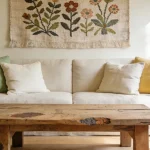
Outdoor cushions, throw blankets, and rugs add warmth and comfort to your space. I have a set of outdoor cushions on my swing chair and glider—they’re made of weather-resistant fabric and come in a neutral tone that matches my decor. I also have a few throw blankets draped over the swing chair for cool evenings—they’re soft and cozy, and I can wrap myself up while I swing. An outdoor rug under my swing chair adds texture and makes the space feel more like an extension of my living room.
Plants
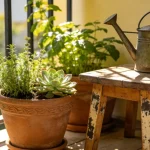
Plants add life and color to your outdoor space, and they also help create a sense of calm. I have a variety of plants around my patio and hot tub area—succulents, ferns, and flowering plants like roses and lavender. Lavender is my favorite—it smells amazing and has a calming effect. I also have a few potted herbs (basil, mint, rosemary) that I can use in cooking—double win! Choose plants that are easy to care for (especially if you’re not a green thumb) and that thrive in your climate.
Sound
Sound is an often-overlooked element of relaxation. I love listening to nature sounds—birds chirping, crickets, and the wind rustling through the trees. If you live in a noisy neighborhood, you can add a small water feature (like a fountain) to mask the noise. The sound of running water is incredibly calming. I also have a portable Bluetooth speaker that I use to play soft music or nature sounds while I soak in the hot tub or swing.
Personal Touches
Add items that make your space feel like you. I have a small side table next to my swing chair where I keep my book, a glass of wine, and a candle. I also have a few decorative items—like a small statue and a vase of fresh flowers—that add personality to my space. You could add a bird feeder, a wind chime, or even a photo frame with pictures of your family and friends. The goal is to make your space feel warm and inviting, like a place where you can be yourself.
Step 6: Make It Functional – Design a Space You’ll Actually Use
It’s easy to get caught up in designing a “perfect” outdoor space, but the most important thing is that you actually use it. Here are a few tips to make your space functional and inviting:
- Keep it simple: Don’t overcrowd your space with too much furniture or decor. A swing chair, a hot tub, a small side table, and a few plants are enough. Less is more when it comes to relaxation.
- Make it accessible: As I mentioned earlier, your space should be easy to get to. Keep a pair of outdoor shoes by the door, and make sure the path to your swing chair and hot tub is clear.
- Add storage: If you have cushions, throw blankets, or hot tub accessories, add a small storage box to keep them organized. I have a weather-resistant storage box on my patio where I keep my hot tub cover, filter cleaner, and extra cushions.
- Consider the seasons: If you live in a climate with cold winters, make your space usable year-round. Add a fire pit or a patio heater to keep you warm in the winter. I have a small fire pit next to my swing chair—I love sitting by the fire on cool evenings, even in the fall and winter.
Mistakes to Avoid When Creating Your Outdoor Relaxation Space
Over the years, I’ve made a few mistakes when designing my outdoor space—here are the ones to avoid:
- Buying furniture that’s not weather-resistant: This is a big one. Outdoor furniture needs to be able to withstand rain, sun, and wind. Don’t skimp on quality—invest in furniture that’s made for outdoor use.
- Ignoring privacy: Don’t forget to add privacy elements—you won’t relax if you feel like your neighbors are watching. Even a simple privacy screen or a few potted plants can make a big difference.
- Overcomplicating maintenance: Choose a hot tub and furniture that are easy to maintain. You don’t want to spend hours every week cleaning and maintaining your space—you want to relax in it.
- Not considering your lifestyle: If you have kids or pets, make sure your space is safe and kid/pet-friendly. Avoid sharp edges, and make sure your hot tub is covered when not in use.
Final Thoughts – Your Outdoor Sanctuary Awaits
Creating an outdoor relaxation space isn’t about perfection—it’s about creating a spot that feels like home, a place where you can slow down, unwind, and recharge. Whether you have a tiny balcony or a sprawling backyard, you can transform it into a haven for relaxation with a few simple steps: start with your “why,” choose the perfect location, add a swing chair and hot tub (if you can), and finish with cozy details that reflect your style.
I’ve spent years perfecting my outdoor space, and it’s become my favorite place to be. There’s nothing like starting my day with a cup of coffee in my swing chair, or ending it with a soak in my hot tub under the stars. It’s a reminder to slow down, appreciate the little things, and take care of myself—and that’s something we all need in our busy lives.
So what are you waiting for? Grab a notebook, jot down your ideas, and start creating your dream outdoor relaxation space. You deserve it. And if you have any questions or need more tips, feel free to leave a comment below—I’m happy to help.
Here’s to many relaxing evenings in your new outdoor sanctuary—cheers!