There’s nothing quite like stepping into your backyard and being greeted by a lush, vibrant outdoor garden—one that feels like an extension of your home, a peaceful retreat for morning coffee, a lively space for summer barbecues, and a cozy nook for evening stargazing. As someone who’s spent years designing and tending to gardens across the U.S. and Europe, I’ve learned that a beautiful landscape isn’t just about “pretty plants”—it’s about intentional design, thoughtful plant pairing, functional layout, and a low-maintenance irrigation system that keeps everything thriving, even on the busiest days. Whether you’re starting from scratch with a blank yard or looking to refresh an existing space, this guide is tailored to help you create a garden that fits your lifestyle, complements your home’s architecture, and turns heads for all the right reasons. Let’s dive in.
Start with a Vision: Designing a Layout That Works for You (and Your Space)
Before you pick up a shovel or buy a single plant, take a step back and ask yourself: What do I want to use this garden for? Are you dreaming of a quiet sanctuary with a seating area and soft greenery? A family-friendly space with room for kids to play and pets to roam? A vibrant, colorful display that’s the envy of the neighborhood? Or a practical edible garden mixed with ornamental plants? Your answer will guide every decision you make—from layout to plant selection to irrigation.
In (European and American) garden design, we prioritize functionality first, beauty second—though the two often go hand in hand. Here’s how to approach your layout, whether you have a small urban patio, a mid-sized suburban yard, or a sprawling rural property:
1. Assess Your Space (and Its Quirks)
First, take time to observe your yard throughout the day. Note where the sun hits (full sun = 6+ hours of direct sunlight, partial sun = 3-6 hours, shade = less than 3 hours), where water pools after rain (to avoid planting in soggy spots), and any existing features you want to keep (mature trees, a patio, a fence, or a water feature). Also, consider your home’s exterior style— a modern home pairs best with clean lines, minimalistic plants, and sleek hardscaping, while a cottage-style home thrives with a more whimsical, overflowing garden, and a traditional colonial home looks stunning with symmetrical beds and classic plants like roses or boxwood.
Pro tip: Sketch a rough layout of your yard (even a hand-drawn one works!) and mark these key areas. This will help you visualize where to place seating, plant beds, paths, and other features without wasting time or money on trial and error.
2. Create “Zones” for Different Uses
One of the biggest mistakes homeowners make is trying to cram too much into one space. Instead, divide your garden into zones—each with a clear purpose. Here are the most popular zones for gardens:
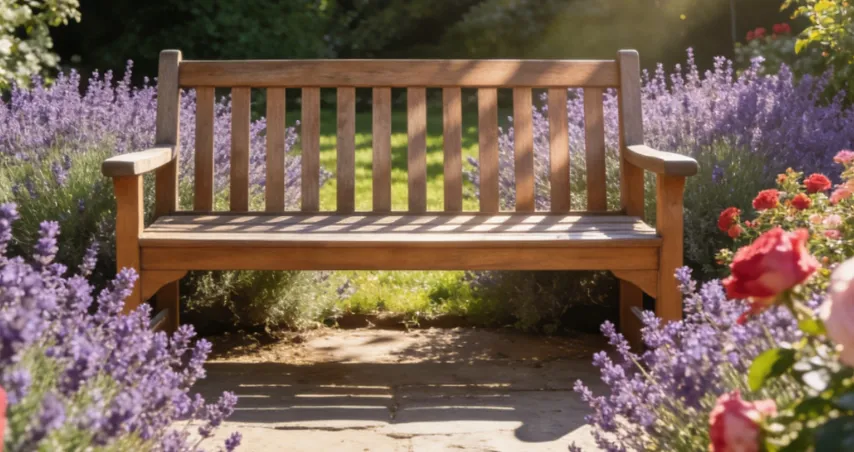
- Relaxation Zone: A cozy spot with outdoor seating (think a wooden bench, a wicker sofa, or Adirondack chairs), surrounded by soft greenery and fragrant plants (like lavender or jasmine) to create a calming atmosphere. Add a small side table for drinks or a book, and string fairy lights for evening ambiance—this is your go-to spot for unwinding after a long day.
- Entertainment Zone: If you love hosting, this zone should be near your home’s back door for easy access to the kitchen. Include a patio or deck with enough space for a dining set, a grill, and maybe a fire pit. Keep plantings around this area low-maintenance (no messy leaves or thorns!)—think succulents, ornamental grasses, or low-growing shrubs.
- Planting Zones: These are the “star” areas of your garden, where you’ll showcase your favorite flowers, shrubs, and trees. Separate them by sun exposure (full sun plants in the brightest spots, shade-loving plants under trees) and height—tall trees and shrubs in the back, medium plants in the middle, and low groundcovers in the front. This creates depth and visual interest, so your garden doesn’t look flat.
- Edible Zone (Optional): More and more homeowners are adding edible gardens to their landscapes—and for good reason! You can mix vegetables, herbs, and fruit trees with ornamental plants (e.g., tomato plants next to marigolds, which repel pests) for a functional, beautiful space. Keep this zone near your kitchen for easy harvesting, and make sure it gets plenty of sun.
3. Add Hardscaping for Structure and Flow
Hardscaping (paths, patios, walls, and decorative stones) is just as important as plants in a garden—it adds structure, defines zones, and makes your garden easy to navigate. Here are some ideas to consider:
- Paths: Use stone, brick, or gravel to create paths between zones. A winding path through your planting beds adds a sense of adventure, while a straight path from the back door to the seating area is practical. For a rustic look, use irregular flagstones; for a modern look, use sleek concrete pavers.
- Patios/Decks: Choose materials that complement your home—wooden decks for a warm, natural feel, stone patios for durability, or concrete for a modern, low-maintenance option. Make sure the size fits your needs: a small patio for 2-3 people, a larger one for hosting 10+ guests.
- Accent Features: Add a focal point to draw the eye—like a small water fountain, a birdbath, a statue, or a fire pit. These features add personality and make your garden feel more intentional. Just be careful not to overdo it—one or two focal points are enough; too many will make the space feel cluttered.
Plant Pairing: Create a Cohesive, Year-Round Display
The key to a stunning garden is plant pairing that’s both visually appealing and low-maintenance. We want gardens that look beautiful in every season—not just summer. That means mixing annuals (plants that bloom for one season), perennials (plants that come back year after year), shrubs, and trees to ensure color, texture, and interest all year long. Here’s how to pair plants like a pro:
1. Follow the “Thriller, Filler, Spiller” Rule (for Beds and Containers)
This is a classic garden trick that takes the guesswork out of plant pairing. For any planting bed or container, choose three types of plants:
- Thriller: The “star” plant—tall, eye-catching, and meant to draw attention. Examples: Delphiniums, sunflowers, ornamental grasses, or small trees like dogwood.
- Filler: Medium-sized plants that fill in the space between thrillers and spillers. They add volume and texture. Examples: Roses, lavender, coneflowers, or hostas.
- Spiller: Low-growing plants that “spill” over the edges of beds or containers, softening the look. Examples: Petunias, trailing geraniums, ivy, or creeping thyme.
Example: A container might have a tall delphinium (thriller), surrounded by lavender (filler), and trailing petunias (spiller). A planting bed might have a dogwood tree (thriller), with coneflowers and roses (filler), and creeping thyme (spiller) along the edges.
2. Mix Colors Strategically
欧美 gardeners love color—but we avoid clashing by following a few simple rules:
- Monochromatic: Stick to one color family (e.g., all pinks, all purples) for a calm, cohesive look. Add depth by using different shades of the same color (light pink, hot pink, magenta).
- Complementary Colors: Choose colors that are opposite each other on the color wheel (e.g., purple and yellow, red and green) for a bold, eye-catching display. This works great for focal points or entertainment zones.
- Analogous Colors: Choose colors that are next to each other on the color wheel (e.g., blue, purple, pink) for a soft, harmonious look. This is perfect for relaxation zones.
Pro tip: Add neutral colors (green, gray, white) to balance bold colors. For example, if you have bright red roses, pair them with green hostas and white daisies to keep the look from feeling overwhelming.
3. Consider Seasonal Interest
A garden that looks great only in summer is a missed opportunity. To keep your garden vibrant year-round, include plants that shine in each season:
- Spring: Bulbs (tulips, daffodils, crocuses), flowering shrubs (azaleas, forsythia), and early-blooming perennials (bleeding heart, primrose).
- Summer: Annuals (petunias, marigolds, zinnias), perennials (coneflowers, black-eyed Susans, lavender), and flowering trees (crape myrtle, magnolia).
- Fall: Plants with colorful foliage (maple trees, burning bush, chrysanthemums) and late-blooming perennials (asters, sedum).
- Winter: Evergreens (boxwood, pine, holly), ornamental grasses (which keep their texture in snow), and plants with interesting bark (river birch, dogwood).
4. Choose Low-Maintenance Plants (Because No One Has Time for Constant Tending)
Most homeowners don’t want to spend hours every week pruning, watering, and fertilizing their gardens. That’s why we prioritize low-maintenance plants that are drought-tolerant, pest-resistant, and adapted to your climate. Here are some of my favorites:
- Perennials: Coneflowers, black-eyed Susans, lavender, hostas, sedum, daylilies (these come back every year and require minimal care).
- Shrubs: Boxwood, hydrangea, spirea, lilac (easy to prune and resistant to pests).
- Trees: Dogwood, maple, oak, crape myrtle (low-maintenance and add shade and structure).
- Groundcovers: Creeping thyme, ivy, sedum, vinca (cover bare spots and require little water).
Pro tip: Choose plants that are native to your region. Native plants are adapted to your local climate, soil, and pests, so they require less water, fertilizer, and care than non-native plants. For example, if you live in the southeastern U.S., native plants like azaleas, dogwoods, and coneflowers will thrive. If you live in Europe, try lavender, rosemary, or poppies.
Irrigation Systems: Keep Your Garden Thriving Without the Hassle
Even the most beautiful garden will struggle if it doesn’t get the right amount of water. But hand-watering every day is time-consuming—and easy to forget. That’s why a well-designed irrigation system is a must for any garden. The goal is to water your plants efficiently, without wasting water (which is not only bad for the environment but also increases your water bill). Here’s what you need to know:
1. Choose the Right Irrigation System for Your Garden
There are several types of irrigation systems, and the best one for you depends on your garden size, plant types, and budget. Here are the most popular options for homeowners:
Drip Irrigation (Best for Plant Beds and Edible Gardens)
Drip irrigation is my top recommendation for most gardens—it’s efficient, water-saving, and gentle on plants. This system uses small tubes with emitters that deliver water directly to the base of each plant, so there’s no waste from evaporation or runoff. It’s perfect for planting beds, vegetable gardens, and shrubs, as it keeps the leaves dry (which reduces the risk of disease).
Pros: Saves water (up to 50% compared to hand-watering), low maintenance, easy to install, works for all plant types. Cons: Initial cost is higher than sprinklers, emitters can get clogged if not maintained.
Sprinkler Systems (Best for Large Lawns and Open Areas)
Sprinkler systems are ideal for large, open spaces like lawns. They distribute water in a spray pattern, covering a wide area quickly. There are several types: pop-up sprinklers (which retract when not in use, keeping your lawn looking neat), rotor sprinklers (for large areas), and spray sprinklers (for small lawns or flower beds).
Pros: Covers large areas quickly, easy to automate, good for lawns. Cons: Wastes more water (evaporation), can wet plant leaves (increasing disease risk), not ideal for delicate plants.
Soaker Hoses (Best for Small Gardens and Containers)
Soaker hoses are a budget-friendly alternative to drip irrigation. They’re porous hoses that seep water slowly into the soil, delivering water directly to the roots. They’re great for small planting beds, containers, and around shrubs.
Pros: Affordable, easy to install, water-saving. Cons: Less precise than drip irrigation, can kink or clog.
2. Automate Your Irrigation System (Game-Changer!)
The biggest mistake homeowners make with irrigation is forgetting to water—or overwatering. That’s why adding a timer to your system is non-negotiable. A programmable timer lets you set when and how long your system runs, so your plants get the right amount of water even when you’re away on vacation or busy with work.
Look for a timer with features like:
- Multiple programs (so you can water lawns and plant beds on different schedules—lawns need more water than shrubs).
- Rain sensors (which turn off the system when it rains, saving water and preventing overwatering).
- Adjustable run times (so you can water for longer in hot, dry weather and less in cool, rainy weather).
3. Watering Tips for Healthy Plants
Even with a great irrigation system, it’s important to water your plants correctly. Here are some key tips:
- Water in the morning: The best time to water is early in the morning (6-8 AM). This gives the water time to soak into the soil before the sun gets hot (reducing evaporation) and allows the leaves to dry before nightfall (preventing disease).
- Water deeply, not frequently: It’s better to water deeply once or twice a week than to water lightly every day. Deep watering encourages plants to grow deep roots, which makes them more drought-tolerant. For most plants, aim to water 1-2 inches per week (check the soil with your finger—if it’s dry 2 inches below the surface, it’s time to water).
- Avoid overwatering: Overwatering is just as bad as underwatering. It can lead to root rot, yellow leaves, and plant death. If your soil is soggy or your plants have yellow, wilting leaves, you’re watering too much.
- Mulch to retain moisture: Add a 2-3 inch layer of mulch (wood chips, straw, or compost) around your plants. Mulch retains moisture, suppresses weeds, and keeps the soil cool—reducing the need for frequent watering. Just make sure to keep mulch away from the base of plants (it can cause rot).
Finishing Touches: Make Your Garden Feel Like Home
Once you’ve got your layout, plants, and irrigation system in place, it’s time to add the little touches that make your garden feel warm and inviting. These are the details that will make your space stand out and keep you (and your guests) coming back:
- Outdoor Lighting: String fairy lights above your seating area, add solar-powered path lights along your walkways, or install spotlights on your focal points (like a water fountain or statue). Lighting extends the time you can enjoy your garden and adds a magical feel at night.
- Outdoor Decor: Add throw pillows and blankets to your seating area for comfort, hang a bird feeder to attract wildlife, or place decorative planters (in different sizes and colors) around your garden. Choose decor that matches your style—rustic, modern, cottage, or bohemian.
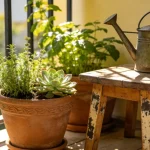
- Herbs and Fragrant Plants: Plant herbs like basil, rosemary, and mint near your seating area—they smell amazing and are perfect for cooking. Add fragrant flowers like jasmine, gardenia, or lavender to create a sensory experience.
- Maintenance Tools: Keep your garden looking neat with basic tools—pruners, a rake, a shovel, and a hose. Store them in a cute shed or storage box to keep them organized and out of sight.
Final Thoughts: Enjoy the Process (and Your Beautiful Garden!)
Creating a stunning outdoor garden isn’t about perfection—it’s about creating a space that brings you joy. Don’t be afraid to experiment with plant pairings, adjust your layout as needed, and make the garden your own. Remember, gardens are living things—they change and grow over time, and that’s part of the magic.
Whether you’re a seasoned gardener or a complete beginner, following these tips will help you create a garden that’s beautiful, functional, and low-maintenance—one that you’ll enjoy for years to come. And if you ever feel stuck, don’t hesitate to reach out to a local garden center or landscape designer—they can help you tailor your garden to your specific space and needs.
Now, grab your gloves, pick up your shovel, and get started—your dream garden is waiting!