Hi there, fellow home lovers! If you’re anything like me, your home isn’t just a place to crash at the end of the day—it’s a reflection of your personality, a sanctuary where you unwind, connect with loved ones, and express your unique taste. Every year, the world of home decor shifts and evolves, bringing fresh ideas, new color palettes, and innovative furniture designs that make us rethink how we style our spaces. And 2026? It’s no exception. This year, the trends are all about balance: blending nostalgia with modernity, comfort with sophistication, and sustainability with luxury. Whether you’re planning a full home renovation, a quick refresh, or just looking for ways to spruce up a room without breaking the bank, this guide is for you. I’ve scoured the biggest design shows—from Milan Furniture Fair to Stockholm Formex, Paris Home Decoration Expo—and talked to top interior designers across Europe and North America to bring you the most accurate, actionable 2026 home decor trends. Let’s dive in!
First, Let’s Talk About the Big Picture: What’s Driving 2026 Decor Trends?
Before we get into the nitty-gritty of colors and furniture, it’s important to understand why these trends are taking off. After years of spending more time at home (thanks to shifting work habits and a renewed focus on comfort), we’re no longer just decorating for aesthetics—we’re decorating for life. This means functionality is non-negotiable, but so is joy. We want spaces that work hard for us (hello, storage solutions and multi-purpose furniture) but also make us feel happy, calm, and inspired. Additionally, sustainability is no longer a “nice-to-have”—it’s a must. More of us are prioritizing eco-friendly materials, secondhand finds, and timeless pieces that won’t go out of style next year. And let’s not forget the rise of “emotional decor”: pieces that tell a story, evoke memories, or simply make us smile. Oh, and if you’re a millennial (like me!), you’ll be happy to hear that our love for modern, functional spaces is still going strong—though we’re mixing in more vintage and personalized touches than ever before. According to a recent home consumer survey, 47% of millennials say they’re paying more attention to home decor than ever before, compared to 44% of Gen X and 35% of Baby Boomers. It’s clear: home decor isn’t just a hobby anymore—it’s a way of life.
Trend 1: The Return of Art Deco Revival—But Make It Modern
2026 marks the 100th anniversary of the Art Deco movement, and Europe’s design scene is celebrating in style. But forget the over-the-top, flashy Art Deco of the 1920s—this year’s revival is all about “less is more.” Think sleek geometric lines, luxurious materials, and a sophisticated color palette that feels timeless, not dated. Pinterest searches for “1920s Art Deco home” have skyrocketed 300% this year, proving that this classic style is making a major comeback. The key here is to use Art Deco elements as accents, not to overload your space. Here’s how to pull it off:
Key Elements of 2026 Art Deco Revival
- Colors: Start with a neutral base (70% ivory white, soft beige, or light gray) to keep the space calm. Then add 20% deep jewel tones—think emerald green, burgundy, or sapphire blue—to add depth and luxury. Finish with 10% metallic accents (brass, gold, or chrome) for that classic Art Deco shine. This combination is perfect for living rooms, dining rooms, or even bedrooms—any space where you want to add a touch of elegance without feeling overwhelming.
- Furniture: Look for pieces with clean, geometric lines. A emerald green velvet sofa with thin brass legs, a diamond-patterned armchair, or a round coffee table with a brass frame are all perfect picks. Avoid heavy, ornate pieces—this year’s Art Deco is all about sleekness and simplicity. For example, a dining table with chrome legs and a marble top pairs beautifully with four burgundy leather (chairs) for a look that’s both retro and modern.
- Soft Furnishings & Decor: Add texture with a wool rug featuring geometric patterns (think diamonds or chevrons), brass wall sconces, or a mirror with a metallic frame. Keep the decor minimal—one or two statement pieces (like a brass chandelier or a jewel-toned vase) are enough to make an impact. Avoid cluttering the space with too many small decor items; Art Deco is about bold, intentional choices.
Pro Tips for Pulling Off Art Deco Revival
Don’t overdo the metallic elements—keep them to 15% of your space, or it will start to feel like a nightclub. Stick to one geometric pattern (diamonds, circles, or lines) to avoid a cluttered look. And invest in quality materials: matte brass (instead of shiny brass) won’t oxidize as quickly, and high-density velvet will resist pilling and look luxurious for years. If you’re on a budget, skip the expensive furniture and opt for small Art Deco accents—like a brass candle holder or a jewel-toned throw pillow—to get the look without spending a fortune.
Trend 2: Scandinavian Style 2.0—Warm, Cozy, and Sustainable
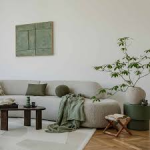
Scandinavian design has been a favorite in(European and American) homes for years, but 2026 brings a fresh update. Gone are the cold, stark(black, white, and gray) palettes of the past—this year’s Scandinavian style is all about “hygge” (that cozy, warm feeling we all crave) with a focus on natural materials and sustainability. Designers are moving away from “cold minimalism” and toward a more inviting, lived-in look that still feels clean and uncluttered. This trend is perfect for small spaces, apartments, or anyone who wants a home that feels like a hug.
Key Elements of 2026 Scandinavian Style
- Colors: The color palette is soft and natural: 60% light neutrals (off-white, light gray, natural wood tones), 30% earth tones (terracotta, oatmeal, moss green), and 10% bright accents (sunflower yellow, electric blue) to add a pop of color. This combination feels warm and inviting, and it’s easy to mix and match. For example, a light gray cotton linen sofa pairs beautifully with terracotta throw pillows and a moss green plant.
- Furniture: Natural wood is a star here—think ash, oak, or birch pieces with clean lines and no unnecessary ornamentation. A simple white oak dining table, a linen sofa with tapered legs, or a folding side table (perfect for small spaces) are all classic Scandinavian picks. Multi-purpose furniture is also big here: look for storage ottomans, sofa beds, or wall-mounted desks that save space and add functionality. Sustainability is key, so many designers are using reclaimed wood or FSC-certified lumber to create these pieces.
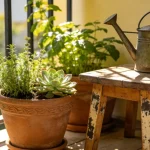
- Soft Furnishings & Decor: Layer textures to add warmth: wool rugs,针织 (knitted) throw blankets, and linen curtains are all must-haves. Plants are a big part of this trend too—large floor plants (like fiddle-leaf figs) in the living room, small herbs (mint, basil) on the windowsill, and succulents on shelves add life and color. Keep decor simple: ceramic vases, wooden candle holders, and abstract wall art are all perfect. Avoid anything too fussy or ornate—Scandinavian style is about simplicity and functionality.
Pro Tips for Pulling Off Scandinavian Style 2.0
Don’t overdo the wood—keep it to 60% of your space, and make sure all the wood tones are consistent (no mixing light oak with dark walnut!). Invest in high-quality linen or cotton fabrics—they’re breathable, durable, and get softer with time. And don’t skip the lighting: Scandinavian style relies on soft, warm light, so add table lamps, floor lamps, and string lights to create a cozy ambiance. If you have a small space, use mirrors to make it feel larger, and opt for furniture with legs (instead of bulky pieces that sit on the floor) to create the illusion of more space. Also, avoid dark colors in low-light rooms—stick to light neutrals to keep the space bright and airy.
Trend 3: Dark Japandi—The Chic Fusion of Japanese and Scandinavian Design
If you love minimalism but want something a little more dramatic, dark Japandi is the trend for you. Japandi (a fusion of Japanese and Scandinavian design) has been popular for a few years, but 2026 is all about dark tones. This trend combines the functionality of Scandinavian design with the “wabi-sabi” (imperfect beauty) of Japanese design, using deep, rich colors to create a sophisticated, moody atmosphere. It’s perfect for urban apartments, home offices, or anyone who wants a space that feels calm, luxurious, and a little edgy. Dark Japandi is especially popular among urban professionals who want a home that feels like a retreat from the chaos of city life.
Key Elements of 2026 Dark Japandi
- Colors: The “sandwich rule” is key here: start with a dark base (charcoal gray, midnight blue, or dark walnut wood), add transition colors (forest green, indigo, or taupe), and finish with small pops of warm accents (rust red, bronze). This combination creates depth and contrast without feeling overwhelming. For example, a charcoal gray accent wall pairs beautifully with a dark walnut floor, forest green throw pillows, and a bronze floor lamp.
- Furniture: Low, sleek pieces are a must. Think a low-profile modular sofa (less than 30cm off the floor) in dark gray fabric, a floating black walnut TV stand (with space underneath for a (robot vacuum)), or a simple light walnut dining table to balance the dark tones. Furniture should be functional but minimalist—no unnecessary details. Look for pieces with clean lines and natural materials (wood, linen, cotton) to keep the space grounded.
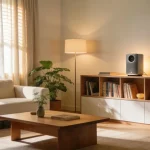
- Soft Furnishings & Decor: Textures are important here to add warmth to the dark tones. A thick jute rug, a linen throw blanket in indigo, or a ceramic vase in rust red are all perfect. Lighting is crucial—use warm yellow light (3000K) with a mix of embedded spotlights, linear light strips, and floor lamps to avoid making the space feel dark and gloomy. Keep decor minimal: a few abstract art pieces, a Japanese-style bonsai tree, or a simple ceramic bowl are all you need.留白 (Negative space) is key—leave 30% of your walls blank to avoid the space feeling cramped.
Pro Tips for Pulling Off Dark Japandi
If your home has less than 4 hours of natural light per day, keep dark tones to 40% of your space—otherwise, it will feel like a “small black room.” Opt for furniture with thin legs or floating designs to lighten the visual weight. Invest in high-quality dark wood furniture (solid wood or wood veneer, not particle board) to avoid warping or chipping. And don’t overdo the bright accents—keep them to 5% of your space to maintain the calm, balanced vibe. Dark Japandi is all about harmony, so make sure all elements work together to create a cohesive look.
Trend 4: 2026’s Hottest Color Palettes—Beyond Neutrals
While neutrals will always be a staple in homes (76% of us still prefer neutral color schemes, according to recent surveys), 2026 is bringing some exciting new colors to the mix. This year’s color trends are all about emotion—colors that calm, inspire, and make us feel good. Leading paint brands like Pantone, Benjamin Moore, and Nippon Paint have all released their 2026 color picks, and there’s a clear theme: soft, muted tones with a focus on healing and comfort. Let’s break down the top colors of the year and how to use them in your home:
Pantone’s 2026 Color of the Year: Peach Fuzz (PANTONE 13-1023)
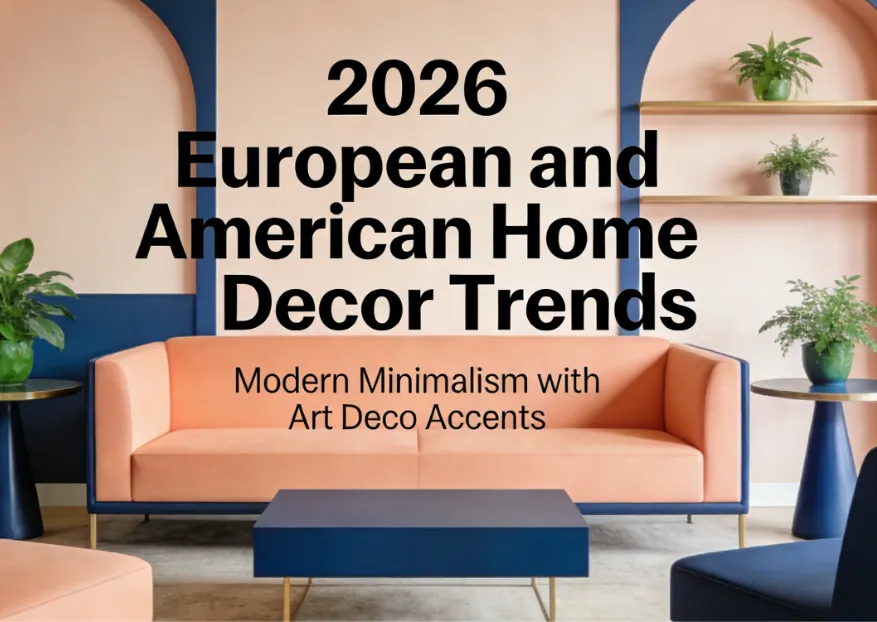
Peach Fuzz is a soft, warm peach color that sits between skin tone and beige—think the color of a ripe peach on a summer day. It’s warm, comforting, and versatile, making it perfect for any room in the house. Pantone describes it as “a nurturing hue that embodies warmth, empathy, and joy”—exactly what we’re all craving in our homes right now. Here’s how to use it:
- Bedrooms: Paint your床头 (headboard) wall in Peach Fuzz and pair it with white or light gray bedding for a calm, relaxing vibe. Add peach-colored throw pillows or a knit blanket to tie the look together.
- Living Rooms: Use Peach Fuzz as an accent color—add a peach sofa, throw pillows, or a rug to a neutral space. It pairs beautifully with light wood, brass, and white for a warm, inviting look.
- Kids’ Rooms: Peach Fuzz is a gender-neutral color that works perfectly for kids’ rooms. Paint one wall in Peach Fuzz and add white furniture and colorful decor (like sunflower yellow or mint green) for a fun, playful space.
Benjamin Moore’s 2026 Color of the Year: Blue Nova (825)
Blue Nova is a deep, sophisticated blue that sits between gray-blue and indigo. It’s calm, (composed), and has a subtle hint of drama—perfect for spaces where you want to feel focused and relaxed. It pairs beautifully with wood, brass, and black, making it a great choice for home offices, dining rooms, or living rooms. Here’s how to use it:
- Home Offices: Paint your office walls in Blue Nova to create a calm, focused atmosphere. Pair it with a light wood desk, brass desk lamp, and black office chair for a sleek, professional look.
- Dining Rooms: Use Blue Nova as an accent wall behind your dining table. Pair it with a white or light wood dining set and brass chandelier for a sophisticated, elegant look.
- Bathrooms: Paint your bathroom walls in Blue Nova and pair it with white tiles and silver fixtures for a spa-like vibe. Add a blue or white shower curtain to tie the look together.
Nippon Paint’s 2026 Color of the Year: Healing Lavender
Healing Lavender is a soft, muted lavender with gray undertones—it’s not too bright, not too bold, and has a calming, therapeutic effect. It’s perfect for bedrooms, bathrooms, or any space where you want to relax and unwind. Here’s how to use it:
- Bedrooms: Paint your entire bedroom in Healing Lavender for a serene, calming vibe. Pair it with white bedding, silver accents, and soft gray curtains for a cohesive look.
- Bathrooms: Use Healing Lavender tiles on one wall and pair them with white tiles and silver fixtures. Add a lavender-scented candle to enhance the calming atmosphere.
- Home Gyms/Yoga Rooms: Paint your gym or yoga room in Healing Lavender to create a peaceful space for working out or meditating. Pair it with light wood floors and green plants for a connection to nature.
Pro Tips for Using 2026’s Trend Colors
If you’re nervous about using bold colors, start small—add throw pillows, rugs, or decor in the trend color before painting your walls. Stick to the “70-20-10” rule: 70% neutral, 20% trend color, 10% accent color. And always test paint colors in your space before committing—natural light can change the way a color looks, so paint a small swatch and check it at different times of the day. Remember, the goal is to use colors that makeyou feel happy and comfortable—don’t follow trends blindly if they don’t align with your personal style.
Trend 5: Furniture Trends 2026—Functional, Stylish, and Sustainable
Furniture trends in 2026 are all about balance: style meets function, luxury meets sustainability, and modern meets vintage. We’re no longer buying furniture just because it looks good—we want pieces that work hard for us, last a long time, and are good for the planet. Here are the top furniture trends to look out for this year:
Multi-Purpose Furniture
With more of us working from home and living in smaller spaces, multi-purpose furniture is a must. Think sofa beds that double as guest beds, storage ottomans that hold blankets and pillows, wall-mounted desks that fold up when not in use, and dining tables that expand to fit more people. These pieces are perfect for small apartments or anyone who wants to maximize their space without sacrificing style. For example, a storage ottoman with a removable lid can be used as extra seating, a coffee table, and a place to store toys or blankets—talk about functional!
Sustainable & Eco-Friendly Materials
Sustainability is a top priority for many consumers, and furniture brands are taking notice. This year, look for pieces made from reclaimed wood, FSC-certified lumber, recycled plastic, or organic fabrics (like organic cotton, linen, or wool). Many brands are also using non-toxic finishes and adhesives to make their furniture safer for your home and the planet. Secondhand and vintage furniture is also a big trend—thrift stores, Facebook Marketplace, and vintage shops are full of unique, high-quality pieces that are both sustainable and stylish. Not only is buying secondhand better for the environment, but it also adds character to your space.
Vintage & Retro Accents
While modern furniture is still popular, 2026 is seeing a rise in vintage and retro accents. Think mid-century modern armchairs, 70s-style velvet sofas, or vintage wooden dressers. The key is to mix vintage pieces with modern ones—don’t decorate your entire home in vintage style, or it will feel like a time capsule. For example, a mid-century modern armchair pairs beautifully with a modern sofa and a vintage rug. This mix of old and new adds depth and character to your space, and it’s a great way to express your personal style.
Curved Furniture
Gone are the sharp, angular lines of years past—2026 is all about curved furniture. Curved sofas, round coffee tables, and oval dining tables are everywhere, and for good reason: they soften a space, make it feel more inviting, and create a sense of flow. Curved furniture is also great for small spaces, as it takes up less visual space than angular pieces. Look for a curved velvet sofa in a neutral color, a round marble coffee table, or an oval dining table with curved legs to add a touch of softness to your home.
Pro Tips for Buying Furniture in 2026
Invest in timeless pieces that won’t go out of style—like a good quality sofa, a wooden dining table, or a classic bed. These pieces will last for years and can be updated with new decor as trends change. If you’re on a budget, prioritize key pieces (like a sofa or bed) and save on smaller items (like side tables or decor). Always check the quality of the furniture before buying—look for solid wood frames, high-density foam cushions, and durable fabrics. And don’t forget to measure your space before buying—there’s nothing worse than bringing home a sofa that’s too big for your living room!
Trend 6: Soft Furnishings & Decor—Texture, Warmth, and Personalization
Soft furnishings and decor are the finishing touches that make a house feel like a home, and 2026’s trends are all about texture, warmth, and personalization. We’re moving away from generic, mass-produced decor and toward pieces that are unique, meaningful, and add character to our spaces. Here’s what to look out for:
Textured Soft Furnishings
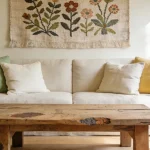
Texture is key this year—think chunky knit blankets, faux fur rugs, linen curtains, and velvet throw pillows. These pieces add warmth and depth to a space, making it feel cozy and inviting. Mix and match textures: pair a chunky knit blanket with a velvet sofa, or a faux fur rug with a linen chair. The goal is to create a space that feels tactile and comfortable—like a place you want to curl up in with a book.
Personalized Decor
We’re all craving more personalization in our homes, and 2026 is the year to make it happen. Personalized decor can be anything from custom wall art (with your family’s name or a favorite quote) to photo frames with pictures of your loved ones, or even handcrafted pieces made by local artisans. These pieces tell a story and make your home feel unique to you. For example, a custom wooden sign with your family’s last name in the entryway, or a hand-painted vase from a local artist on your mantel. Personalized decor also makes great gifts—think a custom throw pillow with a friend’s pet’s name, or a personalized photo frame for a wedding gift.
Natural Elements
Bringing nature indoors is still a big trend in 2026, and for good reason—it’s calming, grounding, and adds life to a space. Look for natural materials like wood, stone, ceramic, and jute in your decor. Plants are a must—large floor plants, small succulents, and hanging plants all add color and life to a space. You can also add natural elements like a stone vase, a wooden bowl, or a jute rug to bring a touch of nature into your home. If you don’t have a green thumb, opt for faux plants—they look just as good and require no maintenance.
Pro Tips for Decorating with Soft Furnishings & Decor
Layer your soft furnishings—add a rug, throw pillows, and a throw blanket to your sofa to create a cozy, inviting look. Mix and match patterns, but stick to a consistent color palette to avoid a cluttered look. Don’t be afraid to mix high and low—pair a designer throw pillow with a thrifted rug, or a handcrafted vase with a mass-produced lamp. And remember, less is more—don’t overcrowd your space with too many decor items. Choose pieces that you love and that have meaning to you, and your space will feel authentic and inviting.
How to Incorporate 2026 Trends Without a Complete Overhaul
I get it—renovating your entire home isn’t feasible for most of us. The good news is that you can incorporate 2026’s trends into your space with small, affordable changes. Here are some easy ways to update your home without breaking the bank:
- Update Your Soft Furnishings: Replace your old throw pillows, rugs, and curtains with ones in 2026’s trend colors (Peach Fuzz, Blue Nova, Healing Lavender) or textures (velvet, knit, linen). This is a quick, affordable way to refresh any room.
- Add Accent Pieces: Add a few trend-forward accent pieces—like a brass lamp, a curved side table, or a vintage armchair—to your space. These pieces will add style without requiring a complete overhaul.
- Paint a Wall: A fresh coat of paint in one of 2026’s trend colors can completely transform a room. Paint an accent wall or your entire room for a quick, affordable update.
- Incorporate Plants: Add a few plants to your space—they’re affordable, easy to care for (for the most part!), and add life and color to any room.
- Mix in Vintage Finds: Head to your local thrift store or vintage shop to find unique, affordable pieces that fit 2026’s retro trend. A vintage lamp, a wooden tray, or a set of old glasses can add character to your space.
Final Thoughts: Decorate for Yourself, Not the Trends
At the end of the day, home decor trends are just guidelines—they’re meant to inspire you, not dictate your style. The most important thing is that your home feels like you. Whether you love bold colors or neutral tones, modern furniture or vintage pieces, your home should be a space where you feel happy, calm, and comfortable. Don’t be afraid to mix and match trends, or to ignore them altogether if they don’t align with your personal style. After all, your home is a reflection of who you are—and that’s the most stylish thing of all.
I hope this guide has given you some inspiration for updating your home in 2026. Whether you’re planning a big renovation or a small refresh, remember to have fun with it. Decorating your home should be an enjoyable process, not a stressful one. And if you need more inspiration, be sure to follow my social media (links below!) for more home decor tips, tricks, and trend updates. Here’s to a year of beautiful, cozy, and stylish homes!
P.S. If you’re looking for specific products to incorporate these trends into your home, check out our curated list of 2026’s best home decor pieces—we’ve handpicked items that fit every budget and style. Happy decorating!