ever, over the years, I have gradually realized that the true key to a thriving garden lies not in the plants themselves, but in the soil beneath them. Healthy soil is the silent partner for every garden’s success, providing the foundation for plant health, nutrient density, and overall garden vitality. The information I always share with gardeners is to cultivate soil, not plants.
The concept of planting soil may seem unusual at first glance, but it is precisely by nourishing the soil that we ultimately provide plants with everything they need to thrive. Consider soil as the core of a garden – rich in essential nutrients, diverse microorganisms, and the structures needed to support healthy plant growth. Just as we must take care of our own health to perform at our best, soil health is also the key to the success of a garden.
The backbone of soil health: structure and beneficial microorganisms
A healthy garden begins with healthy soil. The soil structure determines the degree to which water, air, and nutrients are maintained and supplied to plants. This includes not only the nutrients present in the soil, but also their interactions with the roots. Soil rich in organic matter provides a more balanced and robust environment for plant roots to obtain minerals, water, and air.
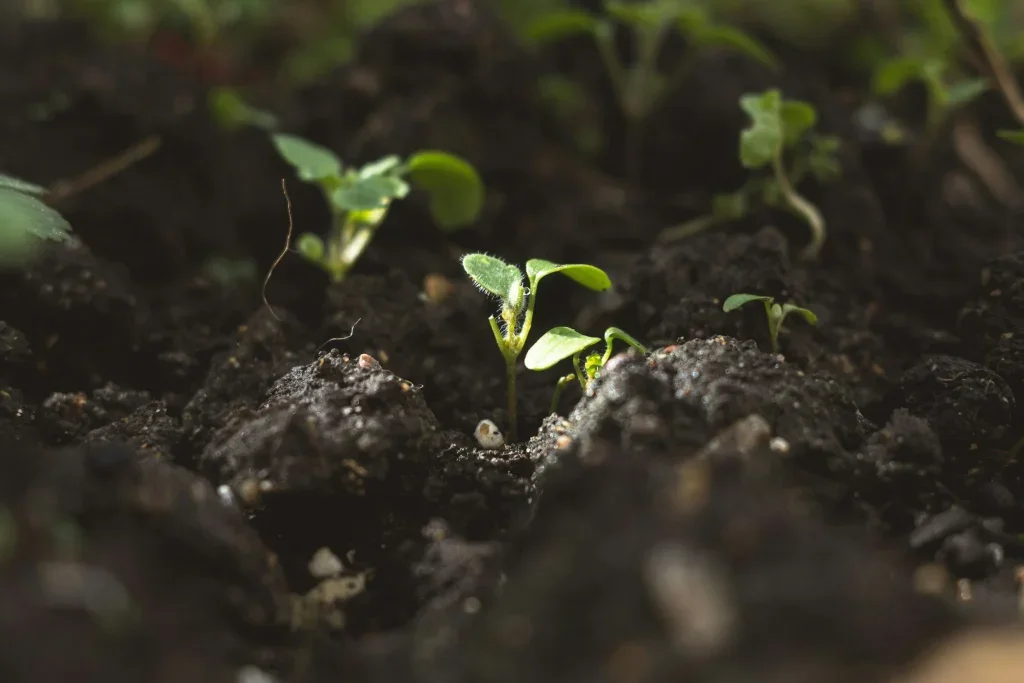
The richness of soil far exceeds the mineral content. Underneath the surface, a vibrant and beneficial microbial community, such as fungi, bacteria, and earthworms, tirelessly breaks down organic matter to provide nutrients to plants in a natural and sustainable manner. These microorganisms can also enhance soil structure, improve water retention, and increase plant resilience. In fact, many plants are able to obtain the necessary nutrients precisely because of the interaction between their roots and these beneficial organisms.
The concept of planting soil essentially means cultivating this community of life – encouraging the flourishing of soil microbiota to support plants. The core concept of this method is’ we must fertilize the soil, not the plants’. When you pay attention to soil health, you are not just adding fertilizers to make plants grow faster; You are creating an ecosystem that allows plants to absorb nutrients according to their natural intentions, thereby producing healthier and more nutritious agricultural products.


Why soil health is important: a holistic horticultural approach
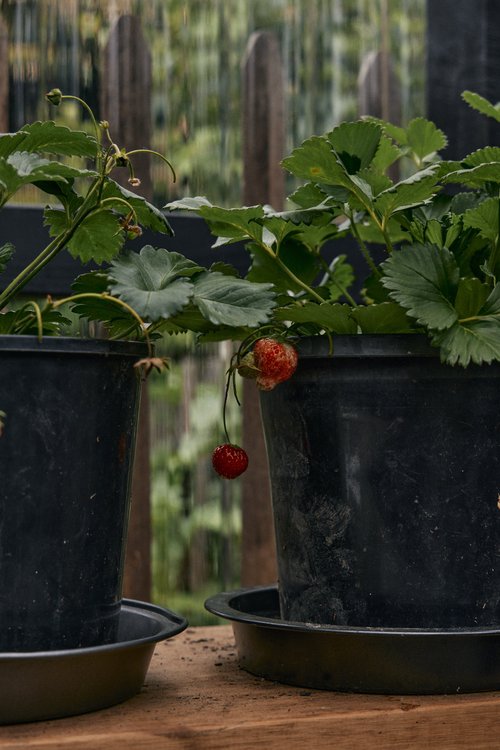
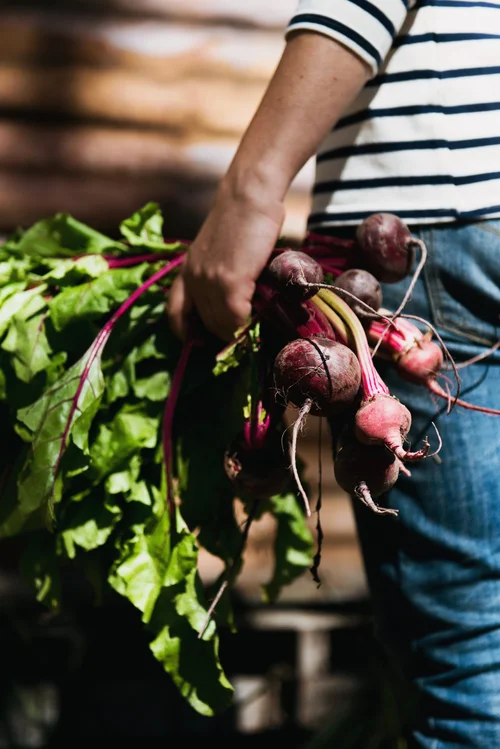
Soil health affects everything – from the growth of plants to the taste of vegetables. If your soil is nutrient rich and full of vitality, plants can thrive without the need for synthetic chemicals or continuous fertilization. Nutrient density, especially for edible crops, is directly related to soil health. If the soil lacks appropriate minerals and microorganisms, plants find it difficult to absorb nutrients, resulting in a decrease in taste and nutritional value.
A good example is the difference we see between a food garden and an ornamental or lawn garden. Although all vegetable gardens benefit from high-quality soil, vegetable gardens – where you want to maximize yield and nutrient density – rely heavily on soil fertility to provide the nutrients you need from your harvest. The more diverse and active the soil ecosystem, the better the flavor, the brighter the color, and the higher the nutritional content.
How to plant soil
I follow multiple methods to build and maintain healthy soil in the garden, ensuring that the soil becomes the foundation for plant growth.
One of the simplest and most effective methods is the no mining method, which perfectly aligns with my “minimum interference” philosophy. Excavation and tillage can damage the fragile structure of soil, destroy beneficial organisms, and lead to soil erosion and compaction over time. Excavation free gardening allows soil ecosystems to thrive undisturbed, creating a healthy and livable environment for plants.
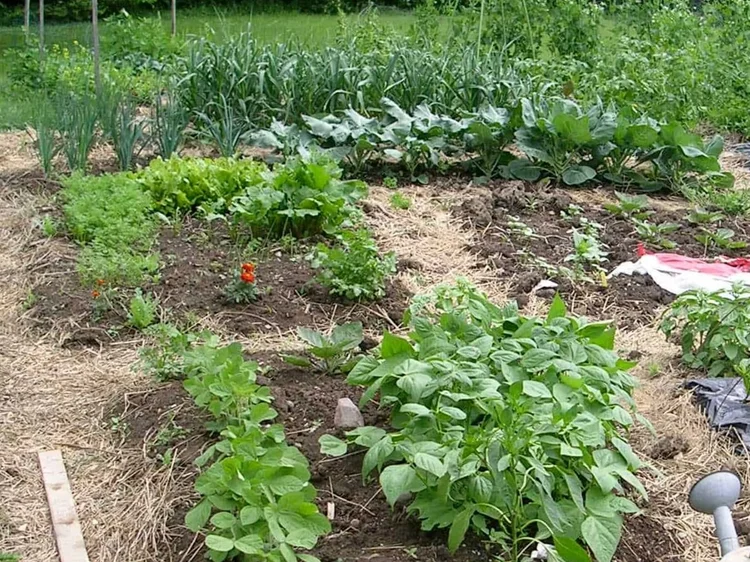
In a no dig garden, organic matter such as compost, coverings, and even lawn clippings are added to the soil surface. These organic substances slowly decompose, providing nutrients for microorganisms and replenishing important nutrients to the soil.
Over time, these additives form a fertile soil layer that not only nourishes plant growth, but also enhances water retention and prevents soil erosion. This method not only saves time and energy, but also allows you to have more space to focus on the beauty and harvest of the garden.
Another key practice for soil cultivation is crop rotation, which helps prevent soil depletion. By rotating the crops planted each year, it is possible to prevent excessive use of a certain set of nutrients and ensure soil balance. Planting deep rooted plants such as beans (peas and legumes) also helps with nitrogen fixation, while other crops can absorb different minerals and maintain soil health.
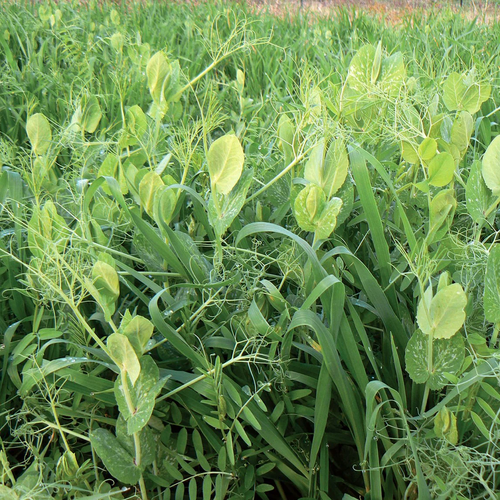
If you want to further improve soil health, you can consider planting green manure crops. Varieties like clover, mustard beans, or fava beans are very suitable for fertilizing soil by adding organic matter and nutrients, especially nitrogen. These fast-growing plants are usually cut down before flowering and can be left on the surface to decompose slowly and return important nutrients to the soil. This natural process not only enhances fertility, but also improves soil structure, strengthens water retention and ventilation. Green manure crops help increase microbial activity and valuable organic matter, supporting a healthy and balanced soil ecosystem that is beneficial for plant growth in the long term. This is a highly successful technique for promoting good soil structure, especially in heavy soils.
Sustainable soil management methods
Ultimately, soil is the nameless hero in every successful garden. By understanding that we plant soil, not just plants, we can achieve a more sustainable and rewarding way of gardening.
Matthew Evans strongly advocates in his book Soil for viewing soil as a living, dynamic system that needs to be nurtured through organic matter, minimal disturbance, and biodiversity. His philosophy encourages gardeners to plant soil first, which naturally leads to healthy and robust plants and more sustainable gardening practices. To gain a deeper understanding of Evans’ methods, his book ‘Soil’ is an excellent resource.
By shifting the focus to nourishing the soil through practices such as no till planting, crop rotation, composting, and crop cover, we have created a sustainable and fertile foundation that supports vibrant and nutrient rich plants for many years to come. Soil health is not just about nurturing plants; It is about nurturing a thriving ecosystem, supporting life, enriching the environment, and ultimately helping you cultivate healthier and more resilient gardens.
Take some time to stop, observe and appreciate the wonderful life happening beneath your feet. By doing so, you will begin to understand the profound impact of soil health on garden success. After all, a garden begins with the soil – and its true potential comes with it.