
With the rapid growth of social media and digital marketing, short videos have become a major tool for brand promotion, personal content creation, and entertainment. Platforms like TikTok, Instagram Reels, and YouTube Shorts have made short videos the go-to choice for millions of people consuming content every day.
In this environment, the challenge for creators is clear: how to grab viewers’ attention, convey your message, and create resonance in a very short time.
To produce high-quality, engaging, and impactful short videos, you need to focus on four key dimensions: hardware & software setup, scriptwriting, shooting techniques, and post-production editing. This guide will walk you through each stage, helping you master the full process from pre-production to post-production.
1. Shooting Hardware & Software Setup 🛠️
When people think of shooting videos, they often imagine expensive professional cameras and complex equipment. However, with modern smartphones’ advanced camera technology, many creators can achieve professional-quality results with just a phone.
Flagship phones like iPhone 14 Pro or Samsung Galaxy S23 feature high-resolution sensors, multiple lenses, and advanced stabilization, capable of meeting most short video production needs.
1. Essential Accessories
Hardware goes beyond just the phone—accessories play a crucial role:
- Gimbal/Stabilizer: Eliminates shakiness for smooth motion, especially useful for dynamic shots.
- Portable LED or Ring Lights: Ensure bright and clear visuals, even in low-light or indoor conditions.
- External Microphones: Improve voice clarity and reduce background noise, essential for vlogs or talking-head videos.
- Lens Attachments: Wide-angle, macro, or fisheye lenses add creative perspectives and visual interest.
2. Editing Software
Your choice of editing software greatly affects the final quality:
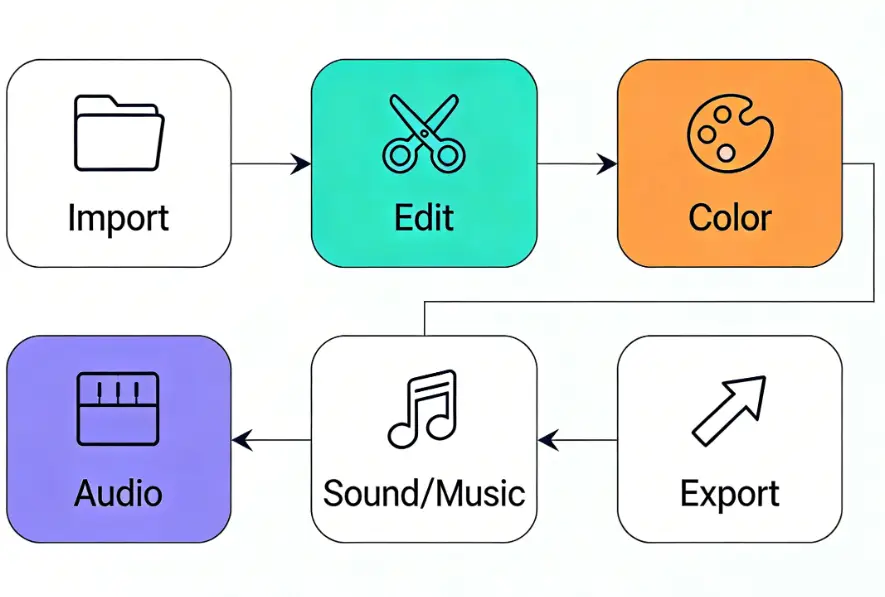
- Desktop: Adobe Premiere Rush, Final Cut Pro, DaVinci Resolve
- Mobile: CapCut, InShot, VN, LumaFusion
These tools provide easy-to-use functions like cutting, color grading, adding transitions, and subtitles—perfect for both beginners and professionals.
My friend Jack is a great example. He started filming life clips in the park with just an iPhone and a small stabilizer. Through simple editing and background music, his videos quickly gained likes and shares on Instagram. Later, he added a ring light, further improving the visual quality. This shows that while equipment investment varies by individual, hardware is crucial for creating quality content.
3. Shooting Tips
- Check battery and storage before filming to avoid interruptions.
- Enable the grid function on your phone to assist with composition.
- Avoid digital zoom; move closer or use optical zoom to maintain image quality.
2. Scriptwriting: Content is King 📝
The success of a short video relies heavily on storytelling and message clarity. A good script is the foundation for conveying ideas effectively and engaging viewers.
1. Script vs. Dialogue
A script is more like a blueprint—it helps you organize visuals, audio, and emotion within 15–60 seconds:
- Structured Thinking: Define the video’s goal first, then plan shots, dialogue, music, and pacing.
- Time Management: Short videos require concise, focused content.
2. Audience Targeting
Understanding your audience ensures your content resonates:
- Travel videos: Showcase locations and cultural highlights, include clear visuals and narration to immerse viewers.
- Product promotion: Focus on selling points and emotional connection.
- Lifestyle or humor videos: Capture daily life and relatable moments to evoke empathy.
Consider the classic three-act structure from Hollywood:
- Hook: Grab attention
- Conflict: Stir emotions
- Resolution: Provide satisfaction
3. Flexibility and Spontaneity
Sometimes, unscripted moments are more authentic and engaging than pre-planned content.
- My friend Anna focuses on healthy cooking videos. She shares small cooking fails and funny moments, giving her content a relatable, human touch.
4. Enhancing Viewer Resonance
- Define viewer roles: Make the audience feel like they’re part of the story.
- Emotional pacing: Build curiosity, evoke emotion, then deliver a satisfying conclusion.
- Call-to-action: Encourage likes, comments, or shares to boost engagement.
3. Shooting Techniques: Visual Storytelling 🎥
Shooting is more than pressing the record button; it’s about telling a story through visuals. Good composition and camera movement bring energy and life to your videos.
1. Composition Techniques
- Rule of Thirds: Divide the frame into nine sections and place key elements at intersections for balance.
- Foreground and Background Layers: Create depth for a professional look.
- Negative Space: Highlight the main subject and keep visuals clean.
2. Camera Movement & Transitions
- Dynamic Shots: Push-ins, pull-outs, tracking, or rotation add story tension.
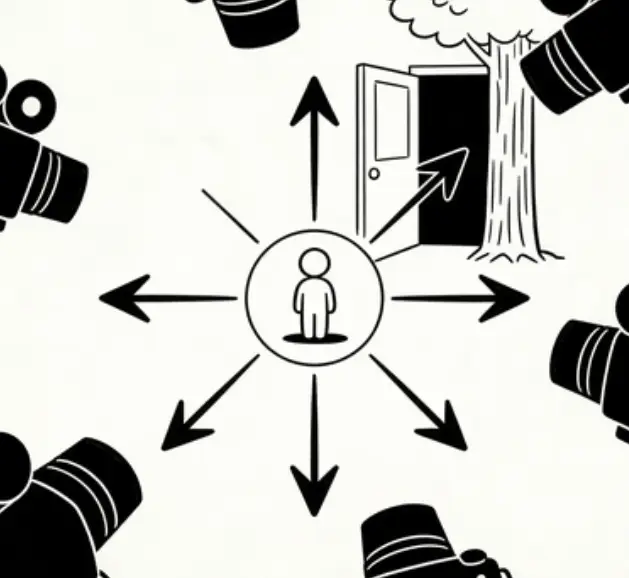
- Natural Transitions: Use doors, windows, or shadows to switch scenes smoothly.
At a short video contest, one participant created a cinematic feel using just home furniture and natural light. Despite minimal equipment, the video impressed judges.
3. Additional Shooting Tips
- Keep lenses clean for sharp visuals.
- Use natural light or window lighting to enhance depth.
- Film from multiple angles to provide more editing options.
4. Post-Production: The Soul of Your Video ✂️🎶
Editing isn’t just assembling clips—it defines the video’s rhythm, style, and emotional impact.
1. Pacing
- Quick Cuts: Keep energy high and viewers engaged.
- Smooth Transitions: Maintain rhythm and viewing experience.
2. Color Grading
- Warm Tones: Romantic, nostalgic
- Cool Tones: Technology, urban aesthetics
- Consistent Style: Strengthen brand identity and video cohesion
3. Sound Design & Music
- Background music amplifies emotional impact
- Sound effects enhance realism
- Subtitles help viewers understand content even without sound
4. Mobile-Friendly Formatting
- Vertical Format (9:16): Optimize for mobile viewing
- Subtitles & Visual Cues: Enhance information delivery
My friend who makes cooking videos often inserts close-ups of ingredients, combined with upbeat music and quick cuts, making the videos visually engaging and fast-paced.
5. Understanding Audience Psychology & Interaction 🧠💡
Creating short videos is also about understanding viewer psychology:
- Hook within the first 3 seconds: Most viewers decide whether to continue watching almost immediately.
- Emotional resonance: Laughter, surprise, or curiosity increase shareability.
- Encourage interaction: Ask questions, challenges, or prompts to engage viewers.
- Unique style: Build recognition and emotional connection with your audience.
6. Short Video Creation as a Blend of Art and Technology 🌟
Short video creation combines art and technology. Every step—from hardware setup, scriptwriting, shooting techniques to post-production—reflects the creator’s thoughtfulness and creativity.
This process is more than technical operation; it is about storytelling and connecting with your audience. With experience, you’ll realize that short videos aren’t just moving images—they can touch hearts and leave a lasting impression.
May every creator find their own inspiration and sense of achievement behind the lens. 💖✨