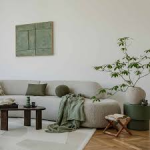
Let me start with a confession: A year ago, my outdoor spaces were afterthoughts. My balcony was cluttered with old planters and a rickety folding chair that creaked every time I sat down. My patio? It was just a slab of concrete with a dusty grill and a few mismatched cushions that faded in the sun. And my backyard? Overgrown grass, a broken birdbath, and enough weeds to make my neighbor’s garden look like a magazine spread. I’d walk past these spaces every day, thinking, “Someday I’ll fix this,” but “someday” never came—until I realized that outdoor living isn’t a luxury; it’s an extension of my home, a place to relax, entertain, and connect with nature without leaving my property.
If you’re in the same boat—if your balcony, patio, or backyard feels more like a wasted space than a retreat—you’re not alone. So many of us overlook our outdoor areas, thinking they require too much time, money, or expertise to fix. But here’s the truth: Transforming your outdoor space doesn’t have to be overwhelming. It’s about small, intentional choices—new furniture that’s both stylish and functional, landscape design that fits your lifestyle, and gardening that brings color and life without turning into a full-time job. Over the past year, I’ve revamped all three of my outdoor spaces, and today, they’re my favorite places to spend time—whether I’m sipping coffee in the morning, hosting a backyard BBQ with friends, or reading a book as the sun sets.
In this article, I’m going to share exactly how I did it—step by step, with tips that work for any budget, any space size, and any skill level. I’m not a professional designer or a master gardener; I’m just a regular person who wanted to make the most of the outdoor space I have. And if I can do it, you can too. Let’s dive in, starting with the smallest (but most impactful) space: the balcony.
Revamping Your Balcony: Small Space, Big Impact
Balconies are often the most neglected outdoor spaces—especially in apartments or townhomes—but they have so much potential. Mine is just 8×10 feet, but with a few key changes, it went from a cluttered storage spot to a cozy nook where I spend every morning. The key here is to prioritize functionality and style without overcrowding the space.
1. Start with the Right Furniture (Comfort First!)
The biggest mistake I made initially was choosing furniture that looked good but felt terrible. That rickety folding chair? It had to go. Instead, I invested in a small, weather-resistant bistro set—two chairs and a tiny table—made from teak. Teak is perfect for balconies because it’s durable, resists water and sun damage, and ages beautifully (it turns a warm silver-gray over time). I chose a light, natural teak finish to keep the space feeling open and airy, and added thick, outdoor cushions in a neutral beige color with subtle (stripes are always a classic in European and American outdoor design).
Pro tip: If your balcony is even smaller (think 6×6 feet), skip the bistro set and go for a single hanging chair or a floor cushion with a small side table. Hanging chairs are huge right now in outdoor design—they save space, add a fun, whimsical touch, and are incredibly comfortable. Just make sure your balcony can support the weight (check your building’s guidelines first!).
Another must-have: Storage. Balconies are small, so you don’t want clutter piling up. I added a narrow, weatherproof storage bench under the railing—perfect for stashing extra cushions, gardening tools, or even my outdoor shoes. It doubles as extra seating when friends come over, which is a win-win.
2. Add Greenery (Even If You’re Not a “Plant Person”)
I used to think I had a black thumb—until I realized that some plants are practically indestructible. For balconies, you want plants that thrive in containers, can handle your climate (I live in Zone 7, so I need plants that can survive both hot summers and cool winters), and don’t require constant care.
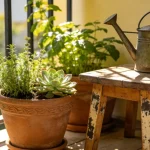
My go-to picks: Succulents (they need minimal water and look great in small pots), herbs (basil, mint, and rosemary are easy to grow and smell amazing—plus, you can use them in cooking!), and trailing plants like pothos or string of pearls (they hang down from hanging pots, adding vertical interest without taking up floor space). I arranged them on the railing (using wall-mounted planters to save space) and on the bistro table (small succulent pots add a pop of green without crowding the table).
Pro tip: Use matching planters to keep the space cohesive. I chose white ceramic pots with drainage holes (critical for preventing root rot) and added a layer of gravel at the bottom to help with drainage. If you’re short on time, opt for artificial plants—today’s artificial greenery looks so realistic, no one will know the difference, and you’ll never have to water them.
3. Lighting: Set the Mood for Evening Relaxation
One of the easiest ways to transform a balcony (or any outdoor space) is with lighting. I added string lights along the railing—warm white, not too bright—to create a cozy, inviting glow in the evenings. String lights are a staple in outdoor design because they’re affordable, easy to install, and instantly make any space feel more magical. I also added a small table lamp with a weatherproof shade on the bistro table—perfect for reading or sipping wine after dark.
Pro tip: Solar-powered lights are a game-changer. They don’t require any wiring (great if you’re renting!) and charge during the day, so you can enjoy them all night long without increasing your electricity bill. I have solar-powered path lights along the edge of my balcony, and they add just the right amount of light without being harsh.
Upgrading Your Patio: The Heart of Outdoor Entertaining
If your patio is the spot where you host friends and family, it needs to be both functional and welcoming. Mine is a concrete slab off the back of my house, and it used to feel cold and uninviting. But with a few changes, it’s now the center of all my outdoor gatherings—from summer BBQs to fall bonfires.
1. Furniture That’s Built for Entertaining (and Comfort)
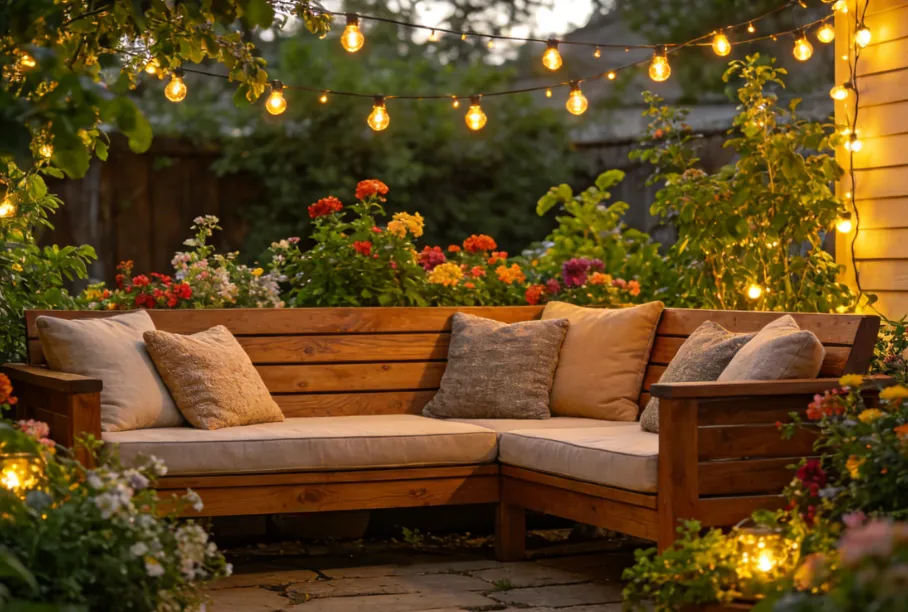
For patios, you need furniture that can handle a crowd—so skip the tiny bistro set and go for a larger dining set or a sectional. I chose a teak sectional with a built-in coffee table—teak is durable enough to handle rain, sun, and even the occasional spill from a glass of wine. The sectional is deep and comfortable, with thick cushions that are covered in outdoor fabric (look for fabric labeled “solution-dyed acrylic”—it’s resistant to fading, stains, and mildew).
I also added a separate dining area: a rectangular teak table with six chairs, perfect for hosting dinner parties. To keep the space cohesive, I used the same teak finish as my balcony furniture and matching cushions in a complementary color (I went with a soft blue to contrast with the greenery).
Pro tip: Add a fire pit or a outdoor fireplace if you have the space. Fire pits are huge in欧美 outdoor design—they’re perfect for cool evenings, and they bring people together. I have a small, portable fire pit on my patio (it’s propane, so no messy wood or ash) that I use all year round. It’s become the focal point of the space, and my friends always gather around it.
2. Landscape Design: Soften the Hard Surfaces
Concrete patios can feel cold and sterile, so the key is to soften them with landscape design. I added planter boxes along the edges of the patio—filled with perennials (like lavender, coneflower, and daylilies) that come back every year. Perennials are a great investment because they save you money in the long run, and they add color and texture to the space.
I also added a small herb garden near the patio—right outside my kitchen door. It’s easy to access when I’m cooking, and it adds a fresh, earthy smell to the space. I used raised garden beds to keep the herbs organized and to prevent them from taking over the patio.
Pro tip: If you don’t have space for planter boxes, use large potted plants. A few large potted trees (like olive trees or lemon trees) can add height and drama to the space, while smaller potted flowers add color. I have a large olive tree in a terracotta pot on one corner of my patio—it’s become a statement piece, and it looks great year-round.
3. Decor: Add Personality and Warmth
Decor is what makes your patio feel like an extension of your home. I added outdoor rugs to define different areas (one under the sectional, one under the dining table)—outdoor rugs are durable, easy to clean, and add color and pattern to the space. I chose a rug with a bold geometric pattern in blue and beige to tie in with the cushions and the landscape.
I also added throw pillows and blankets (look for outdoor-friendly fabrics!) to the sectional—they add comfort and color, and they’re easy to switch out seasonally. For example, in the summer, I use light, bright pillows in pastels; in the fall, I switch to warmer tones like rust and brown.
Another fun touch: Wall art. I hung a few outdoor canvas prints on the wall near the patio—they’re weather-resistant and add a personal touch. I chose prints of nature scenes (mountains, lakes) to keep the space feeling calm and connected to the outdoors.
Transforming Your Backyard: A Private Retreat for the Whole Family
Backyards are the ultimate outdoor space—they offer more room to play, relax, and entertain. My backyard was the biggest project, but it’s also the most rewarding. I went from overgrown weeds to a lush, inviting space where my kids can play, my dog can run, and I can relax in peace.
1. Start with the Lawn (The Foundation of a Great Backyard)
The first thing I did was tackle the lawn. It was overgrown with weeds, patchy, and full of holes. I hired a local lawn service to aerate, seed, and fertilize the lawn—worth every penny, because it saved me hours of work. If you’re on a budget, you can do it yourself: mow the lawn short, remove any weeds, rake the soil, and spread grass seed. Water it regularly (early in the morning is best, so the water doesn’t evaporate in the sun) and be patient—it will take a few weeks to see results.
Pro tip: If you don’t want to deal with grass, consider a low-maintenance alternative like artificial turf or gravel. Artificial turf looks realistic, requires no mowing or watering, and is perfect for families with kids or pets. Gravel is also low-maintenance and can be used to create paths or seating areas.
2. Create Zones for Different Activities
Backyards are versatile, so it’s important to create zones for different activities. I divided my backyard into three zones: a play area for the kids, a relaxation area for me, and a dining area for entertaining.
Play area: I added a small playset (swings and a slide) for my kids, and covered the ground with rubber mulch to keep them safe. I also added a sandbox—they love playing in it for hours.
Relaxation area: I placed a hammock between two trees (make sure the trees are strong enough to support it!) and added a small side table for books and drinks. I also added a few potted plants around the hammock to create a private nook.
Dining area: I have a large outdoor dining set (seats 8) under a pergola. The pergola adds shade (critical for hot summer days) and makes the space feel more intimate. I added string lights to the pergola for evening dinners, and a ceiling fan to keep the air moving.
3. Gardening: Add Color and Life (Without the Hassle)
Gardening doesn’t have to be a chore—choose plants that are low-maintenance and thrive in your climate. I added a flower bed along the edge of the backyard, filled with perennials and native plants. Native plants are great because they’re adapted to your local climate, so they require less water and care. I also added a vegetable garden—tomatoes, peppers, and zucchini are easy to grow and taste so much better than store-bought.
Pro tip: Use mulch in your garden beds. Mulch helps retain moisture, suppress weeds, and add nutrients to the soil. I use wood chips—they look great and break down over time, adding organic matter to the soil.
If you’re short on time, consider a raised garden bed or a container garden. Raised beds are easier to maintain (no bending over!) and can be filled with soil that’s perfect for your plants. Container gardens are great for small spaces or if you want to move your plants around.
4. Add Water Features (For Calm and Serenity)
Water features are a great way to add calm and serenity to your backyard. I added a small pond with a fountain— it’s not too big (so it’s easy to maintain), and the sound of running water is so relaxing. I added a few fish (goldfish and koi) to the pond—they’re fun to watch, and they help keep the water clean.
Pro tip: If you don’t have space for a pond, a small tabletop fountain works just as well. They’re affordable, easy to install, and add the same calming sound. I have a small tabletop fountain in my relaxation area—it’s perfect for sipping coffee and listening to the water.
Budget-Friendly Tips for Any Outdoor Space
I know what you’re thinking: All of this sounds expensive. But the truth is, you can transform your outdoor space on any budget. Here are my top budget-friendly tips:
- Shop secondhand: Check Facebook Marketplace, Craigslist, or local thrift stores for outdoor furniture. I found my teak bistro set for $50— it was in great condition, just needed a little sanding and oiling.
- DIY where you can: Instead of buying planter boxes, make them yourself with reclaimed wood. You can also make your own outdoor cushions with affordable outdoor fabric from a craft store.
- Start small: You don’t have to revamp your entire space at once. Start with one area (like the balcony) and build from there. Small changes add up!
- Choose low-maintenance plants: Perennials and native plants are cheaper in the long run because they come back every year. Skip the expensive, high-maintenance plants that require constant care.
- Use outdoor lighting strategically: String lights are affordable and go a long way in transforming a space. You don’t need to buy expensive fixtures—string lights and solar-powered lights are enough.
Final Thoughts: Your Outdoor Space Is Worth the Effort
Transforming my outdoor spaces was one of the best decisions I’ve ever made. It didn’t happen overnight— it took time, patience, and a little trial and error—but today, I have spaces that I’m proud of, spaces that bring me joy every single day. Whether you have a small balcony or a large backyard, the key is to make it your own—choose furniture that’s comfortable, plants that you love, and decor that reflects your personality.
Remember, outdoor living isn’t about perfection. It’s about creating a space where you can relax, connect with nature, and make memories with the people you love. So grab a cup of coffee, step outside, and start imagining what your outdoor space could be. You won’t regret it.