In today’s fast-paced world, our homes have become more than just places to sleep and eat—they’re our safe havens, our escape from the chaos of work, social media, and the never-ending to-do lists. For many of us, especially those living in busy cities across Europe and North America, coming home to a space that feels calm, welcoming, and intentional isn’t just a luxury—it’s a necessity for our mental well-being. The truth is, the way we decorate our homes has a profound impact on our mood, stress levels, and overall mental health. Soft hues, natural light, lush greenery, and thoughtful design choices don’t just make our spaces look beautiful—they actively work to calm our nervous systems, reduce anxiety, and boost our happiness.
As someone who’s spent years experimenting with home decor to manage my own anxiety and create a space that feels like a hug, I’ve learned firsthand that small, intentional changes can make a world of difference. I’m not talking about expensive renovations or trendy pieces that go out of style in a year—this is about designing a home that works foryou, that speaks to your needs, and that nurtures your mind every time you walk through the door. Whether you live in a tiny apartment in Berlin, a suburban house in Toronto, or a cozy cottage in the English countryside, these tips will help you transform your space into a sanctuary that supports your mental health—one element at a time.
The Power of Color: How Hues Shape Your Mood (And Which Ones to Choose)
Color is one of the most powerful tools in home decor, and it’s often the first thing we notice when we walk into a room. But what many of us don’t realize is that different colors trigger different emotional responses in our brains—responses that can either calm us down or ramp up our stress. In Western cultures, we’ve been conditioned to associate certain colors with specific feelings, and leveraging these associations is key to creating a space that supports your mental health. Let’s break down the best colors for different areas of your home, and how to use them without overwhelming your space.
Soft, Calming Hues for Relaxation Spaces (Bedrooms, Living Rooms, Reading Nooks)
When it comes to spaces where you want to unwind—think your bedroom, living room, or that cozy corner where you curl up with a book—soft, muted tones are your best friend. These colors have a grounding effect, slowing down your heart rate and helping your mind transition from “go mode” to “rest mode.”
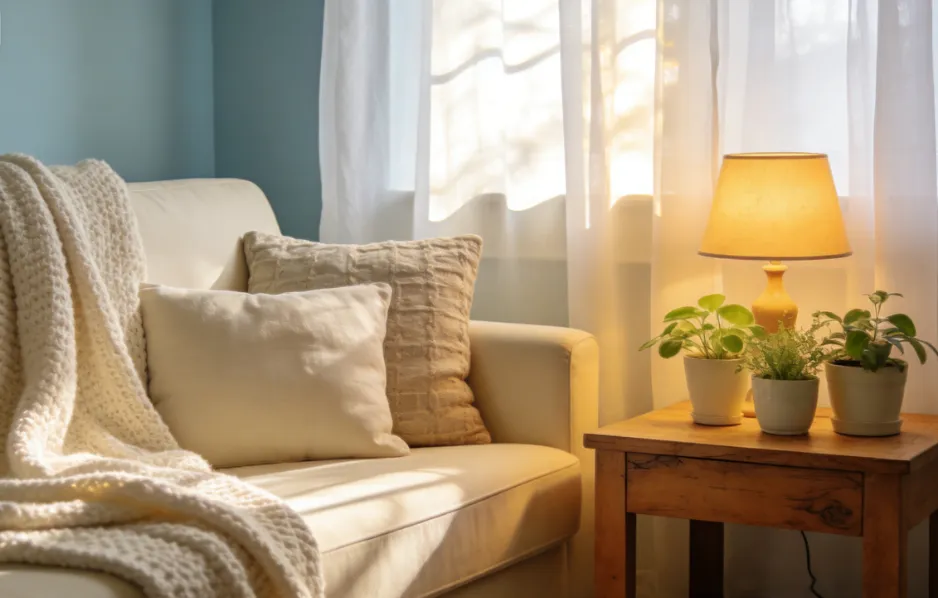
My personal favorite? Soft blues. There’s a reason so many spas and wellness centers use shades of blue—this color is scientifically proven to reduce stress and anxiety. It’s associated with calmness, tranquility, and even trust, making it perfect for bedrooms. I painted my bedroom walls a pale, dusty blue a few years ago, and I immediately noticed a difference: I fall asleep faster, wake up feeling more rested, and I don’t feel that same sense of urgency when I’m in there. Pair it with white linens, a cream-colored rug, and a few wooden accents, and you’ve got a space that feels like a quiet retreat.
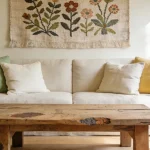
Another great option is soft green—think sage, mint, or eucalyptus. Green is linked to nature (more on that later), and it has a soothing effect on the mind. It’s not as intense as bright green, which can feel energizing (great for a home office, but not so much for a bedroom), but it still brings that fresh, calming vibe. I added sage green throw pillows to my living room couch and a mint green lamp to my reading nook, and it’s amazing how much more peaceful those spaces feel. It’s like bringing a little bit of the outdoors inside, without the hassle of maintaining a garden (though I do love plants too).
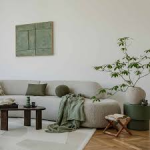
Neutrals—beige, cream, taupe, and soft gray—are also fantastic for relaxation spaces. They create a blank canvas that feels warm and inviting, and they’re easy to pair with other colors if you want to add a pop of something brighter (more on that later). The key with neutrals is to avoid anything too cold or stark—opt for warm neutrals with hints of yellow or brown, which feel cozier than cool grays or whites. I have a cream-colored sectional in my living room, and it’s the perfect spot to curl up with a blanket when I’m feeling overwhelmed; it feels like a safe, soft place to reset.
Energizing (But Not Overwhelming) Colors for Productive Spaces (Home Offices, Kitchens)
While soft hues are perfect for relaxation, some spaces need a little more energy—like your home office or kitchen. The key here is to choose colors that boost your mood and motivation without making you feel anxious or overstimulated. Bright, bold colors like red or neon can be too much (they’re linked to increased heart rate and stress), so opt for softer, more muted versions of energizing colors.
For home offices, soft yellows are a great choice. Yellow is associated with happiness, optimism, and creativity—perfect for days when you’re feeling stuck or unmotivated. I painted my home office walls a pale buttery yellow, and it’s made a huge difference in my productivity. On days when I’m feeling tired or uninspired, the yellow walls feel like a little burst of sunshine, pushing me to keep going. Pair it with white furniture and a few green plants, and you’ve got a space that’s both productive and calming.
In the kitchen, warm oranges or soft terracottas work well. These colors are associated with warmth, comfort, and nourishment—perfect for a space where you cook and gather with family. I added terracotta tiles to my kitchen backsplash, and it makes the space feel cozy and inviting. It’s not too bright, but it adds a pop of color that makes me smile every time I walk in to make coffee in the morning.
A Word of Caution: Avoid Overwhelming Your Space
While color is powerful, it’s important not to overdo it. Too many bright colors or clashing hues can make a space feel chaotic, which can increase stress and anxiety. The goal is to create a cohesive palette that feels balanced and calm. A good rule of thumb is to stick to 2-3 main colors per room, with accent colors to add interest. For example, in my bedroom, the main colors are soft blue and cream, with a few sage green accents. In my home office, it’s buttery yellow and white, with a pop of terracotta. This keeps the space feeling intentional and not overwhelming.
Harness the Power of Natural Light: Brighten Your Space (and Your Mood)
If there’s one element that can transform a space and boost your mental health more than any other, it’s natural light. Studies have shown that exposure to natural light increases serotonin levels (the “happy hormone”), improves sleep quality, and reduces symptoms of depression and anxiety. For those of us who spend most of our days indoors—whether working from home or in an office—maximizing natural light in our homes is non-negotiable.
I live in a small apartment in London, and natural light was a huge concern when I moved in. The living room had small windows, and the bedroom faced a wall, so it was dark and gloomy. But with a few simple changes, I was able to brighten up the space—and my mood. Here’s how you can do the same, no matter how much natural light your home gets.
Maximize the Light You Have
First, get rid of anything that’s blocking natural light. Heavy curtains, furniture placed in front of windows, and even dirty windows can all prevent light from filtering into your space. I replaced my heavy, dark curtains with sheer white ones—they let in plenty of light while still providing privacy. I also moved my couch away from the window in the living room, which opened up the space and allowed more light to flow in. And don’t forget to clean your windows regularly—even a thin layer of dust can block a surprising amount of light.
If you have small windows or your home faces north (like mine), you can use mirrors to reflect light. Hang a large mirror opposite a window, and it will bounce the natural light around the room, making it feel brighter and more spacious. I hung a round mirror above my living room couch, and it’s made the space feel twice as bright. You can also use light-colored furniture and walls to reflect light—dark colors absorb light, so opt for whites, creams, or light grays to make your space feel airier.
Add Artificial Light for Evenings (But Choose Wisely)
Natural light is great during the day, but for evenings, you’ll need artificial light. The key here is to avoid harsh, fluorescent lights—they’re harsh on the eyes and can make you feel anxious or tired. Instead, opt for warm, soft lighting that mimics natural light.
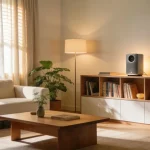
Table lamps, floor lamps, and string lights are all great options. I have a floor lamp with a warm white bulb in my living room, and a table lamp on my nightstand with a dimmable bulb—so I can adjust the light depending on my mood. String lights are perfect for adding a cozy, magical touch to any space— I hung them above my reading nook, and it’s become my favorite spot to unwind in the evening. Warm white or soft yellow bulbs are best—they feel more natural and less harsh than cool white bulbs.
Bring the Outdoors In: Plants That Nurture Your Mind and Space
Humans have an innate connection to nature—something scientists call “biophilia.” Being around plants and greenery has been shown to reduce stress, lower blood pressure, and improve mood. For those of us who don’t have access to a garden or outdoor space, bringing plants indoors is the next best thing. Not only do they add color and life to your home, but they also purify the air and create a sense of calm.
I’m not a “plant parent” by any means—I’ve killed my fair share of succulents and ferns. But over the years, I’ve found a few easy-to-care-for plants that even I can’t mess up, and they’ve made a huge difference in my mental health. Here are my top picks for beginner-friendly plants that boost mental health, plus tips for styling them in your home.
Easy-to-Care-for Plants for Mental Health
1. Snake Plant (Sansevieria): This plant is practically indestructible— it can survive low light, infrequent watering, and even neglect. It’s also a great air purifier, removing toxins like formaldehyde from the air. I have a snake plant in my bedroom, and it adds a touch of green without requiring much effort. It’s tall and sleek, so it doesn’t take up too much space, and it looks great in a simple ceramic pot.
2. Pothos: Pothos is another low-maintenance plant that’s perfect for beginners. It has trailing vines that look great hanging from a shelf or cascading down a bookshelf, and it can thrive in both bright and low light. I have a pothos in my home office, and it adds a pop of green to my desk. It’s also a great air purifier, which is perfect for spaces where you spend a lot of time indoors.
3. ZZ Plant (Zamioculcas Zamiifolia): The ZZ plant is another tough plant that can handle neglect. It has glossy, dark green leaves that add a touch of elegance to any space, and it can survive in low light and with infrequent watering. I have a ZZ plant in my living room, and it’s become a focal point— it looks great next to my cream-colored couch, and it requires almost no care.
4. Spider Plant: Spider plants are great for beginners because they’re easy to propagate (you can grow new plants from the babies that hang off the main plant) and they’re great air purifiers. They have long, thin leaves that add a playful touch to any space, and they thrive in bright, indirect light. I have a spider plant in my kitchen, and it adds a fresh, lively vibe to the space.
How to Style Plants in Your Home (Without Overcrowding)
The key to styling plants is to keep it simple—you don’t need to fill every corner with plants to get the mental health benefits. Instead, choose a few strategic spots where plants will have the most impact. For example:
– Bedroom: A small snake plant or pothos on your nightstand can help purify the air and create a calm vibe for sleep.
– Home Office: A pothos or spider plant on your desk can help reduce stress and boost productivity— studies have shown that having plants in your workspace can improve focus and creativity.
– Living Room: A larger plant (like a ZZ plant or a fiddle-leaf fig, if you’re feeling brave) can be a focal point, adding life and color to the space. Pair it with a decorative pot to elevate the look.
When it comes to pots, choose ones that match your decor— terracotta pots are great for a warm, bohemian vibe, while ceramic pots in neutral colors work well for a minimalist space. You can also mix and match pot sizes to add visual interest— a tall floor plant next to a small table plant creates balance.
Create Cozy, Comfortable Spaces: The Little Touches That Make a Big Difference
While color, light, and plants are key, it’s the little touches that make a home feel like a sanctuary. Coziness—what the Danes call “hygge”—is all about creating a space that feels warm, inviting, and comforting. Hygge is closely linked to mental health; it’s about slowing down, being present, and finding joy in the small things. Here are some easy ways to add hygge to your home and boost your mental health.
Soft Textures: Add Warmth and Comfort
Soft textures are essential for creating a cozy space. Think fuzzy blankets, plush throw pillows, thick rugs, and soft curtains. These textures appeal to our sense of touch, making us feel safe and comforted. I have a fuzzy knit blanket draped over my couch and a plush rug in my living room— there’s nothing better than curling up with the blanket and a cup of tea on a cold day. In my bedroom, I have soft, high-thread-count sheets and a down comforter— it feels like sleeping in a cloud, and it helps me relax after a long day.
When choosing textures, opt for natural materials like cotton, wool, and linen— they’re softer and more breathable than synthetic materials. A wool throw blanket, a cotton rug, and linen curtains will add warmth and comfort without feeling heavy or clunky.
Personal Touches: Make Your Space Feel Like Yours
Your home should reflect who you are— it should be a space that feels personal and meaningful. Adding personal touches— like family photos, artwork you love, or mementos from your travels— can make your space feel like a sanctuary. I have a wall in my living room covered with photos of my family and friends, and every time I look at it, I feel happy and grateful. I also have a few mementos from my trips to Italy and France— a small vase from Florence, a painting from Paris— that remind me of happy memories.
The key here is to choose items that bring you joy, not items that you think “should” be in your home. Don’t clutter your space with things that don’t mean anything to you— instead, curate a collection of items that make you smile and feel grounded.
Declutter: Less Stuff, More Calm
Clutter is one of the biggest enemies of mental health. A cluttered space can make you feel overwhelmed, anxious, and stressed— it’s hard to relax when your home is filled with piles of clothes, papers, and random items. Decluttering your space isn’t just about tidying up—it’s about creating a space that feels calm and uncluttered, which in turn calms your mind.
I started decluttering my home a few years ago, and it was a game-changer for my mental health. I went through each room, getting rid of items I didn’t use, didn’t love, or that didn’t serve a purpose. It was hard at first— I’m a bit of a hoarder— but once I was done, my space felt lighter and more peaceful. Now, I try to keep my home clutter-free by following the “one in, one out” rule: every time I buy something new, I get rid of something old.
Decluttering doesn’t have to be a huge, overwhelming task. Start small— spend 10 minutes a day decluttering one drawer or one shelf. Over time, those small efforts will add up, and your space will feel more calm and inviting.
Design a “Calm Corner”: A Space Just for Relaxation
Even if you live in a small apartment, it’s important to have a dedicated space for relaxation— a corner where you can go to unwind, meditate, read, or just be present. This space doesn’t have to be big— it can be a small nook by a window, a corner of your bedroom, or even a chair in your living room. The key is to make it a space that’s free from distractions (no phones, no laptops) and filled with things that calm you down.
My calm corner is a small nook in my living room, by the window. I have a comfortable armchair, a fuzzy throw blanket, a small side table with a lamp, and a few plants. I also have a basket of books and a journal, so I can read or write when I’m feeling stressed. This corner is my favorite spot in the house— it’s where I go to reset after a long day, to meditate in the morning, or to just sit and enjoy the quiet. It’s a space that’s solely for me, and it’s become an essential part of my mental health routine.
To create your own calm corner, start with a comfortable seat— a chair, a bean bag, or even a pile of cushions on the floor. Add soft lighting (a table lamp or string lights), a blanket or pillow for comfort, and a few items that bring you joy— a book, a candle, a plant, or a piece of artwork. Make sure it’s a space where you can be alone, free from distractions, and where you can focus on yourself.
Final Thoughts: Your Home Is Your Sanctuary
At the end of the day, your home should be a space that supports you— a space that calms you when you’re stressed, lifts you up when you’re down, and makes you feel safe and loved. Improving your mental health through home decor isn’t about perfection; it’s about intentionality. It’s about choosing colors that make you feel calm, maximizing natural light to boost your mood, bringing in plants to connect with nature, and adding personal touches that make your space feel like yours.
I’ve learned that small changes— painting a wall a soft blue, adding a few plants, decluttering a shelf— can have a huge impact on my mental health. You don’t need to spend a lot of money or time to transform your space; you just need to listen to your needs and create a space that works for you.
So take a look around your home. What makes you feel calm? What makes you feel stressed? What small changes can you make today to turn your space into a sanctuary? Remember, your home is more than just four walls—it’s a reflection of your mind, and it has the power to nurture and heal you. Start small, be kind to yourself, and watch as your home becomes a space that boosts your mental health, one day at a time.