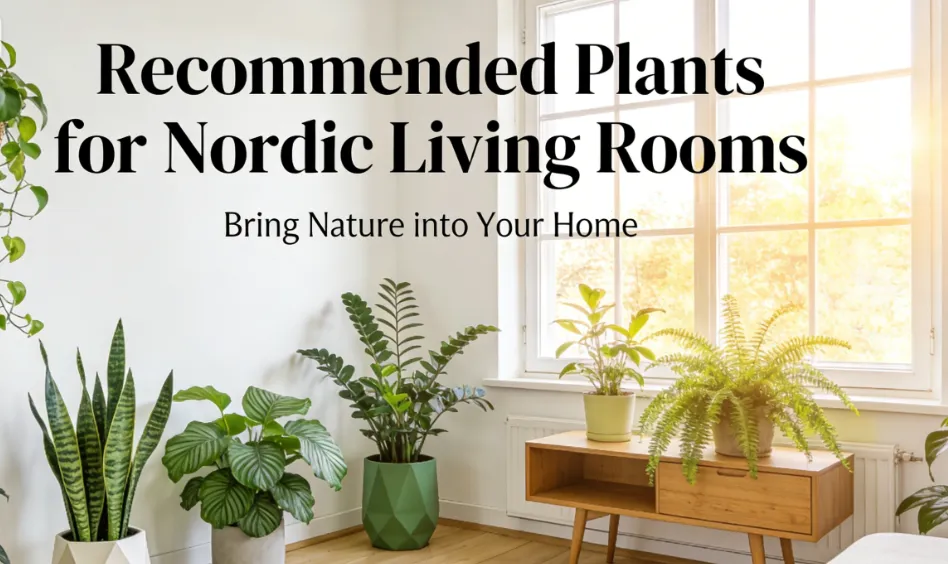
Hi there, fellow plant lover (or soon-to-be plant parent)! If you’ve ever stood in a garden center, staring at rows of greenery and thinking, “Will this actually survive in my space?”—you’re not alone. I’ve been there too. Whether you’re crammed into a tiny studio in New York City, living in a sun-drenched home in California, braving the cold winters of Scandinavia, or just someone who forgets to water plants for weeks (guilty!), finding the right plants for your unique environment and lifestyle can feel like a guessing game. But here’s the good news: there’s a perfect plant out there for every home, every climate, and every level of plant care experience. No green thumb required—promise.
As someone who’s lived in apartments, houses, and even a cozy cottage in the English countryside, I’ve learned the hard way that not all plants are created equal. A plant that thrives in my friend’s bright, humid Miami condo will wither and die in my sister’s dark, dry Berlin apartment. A plant that survives the harsh winters of Minnesota won’t stand a chance in the sweltering heat of Texas. And let’s be real—if you’re a busy professional or a frequent traveler, you don’t have time to fuss over finicky plants that need daily care. That’s why I’ve put together this comprehensive guide, tailored specifically to us—folks living in (European and American) homes, with all the unique challenges our environments throw at us. From tiny apartments to sprawling gardens, from low-maintenance newbies to seasoned green thumbs, from Nordic frost to Mediterranean sun—this guide has got you covered.
Let’s dive in, shall we? We’ll break this down by the most common living scenarios and climates you’re likely to encounter, with honest, no-nonsense recommendations, care tips, and even a few pro tricks to keep your plants happy and healthy. By the end, you’ll be able to walk into any garden center (or click through any online plant shop) with confidence, knowing exactly which plants will thrive in YOUR space.
First Up: Tiny Apartments & Compact Spaces (No Yard? No Problem!)
Let’s start with the most common living situation for many of us: small apartments. Whether you’re in a studio in Paris, a one-bedroom in Chicago, or a micro-apartment in London, space is at a premium. You don’t have room for large potted trees or sprawling gardens—but that doesn’t mean you can’t bring a little greenery into your home. The key here is to choose compact, space-saving plants that thrive in indoor conditions, don’t grow too large, and can handle the limited light that often comes with apartment living (hello, north-facing windows!).
I’ve lived in my fair share of tiny apartments, and I’ve learned that the best plants for small spaces are those that are either compact, trailing (so they hang down instead of taking up floor space), or vertical (growing up instead of out). They also need to be forgiving—because let’s face it, apartment living can be chaotic, and sometimes your plants get forgotten. Here are my top picks, tested and approved by yours truly:
1. Pilea Peperomioides (Chinese Money Plant)
If you’re looking for a plant that’s equal parts cute and low-maintenance, the Pilea is your new best friend. This compact plant has round, coin-shaped leaves that sit on slender stems, giving it a modern, playful look that fits perfectly on windowsills, shelves, or even your desk. It’s small (usually growing to about 12 inches tall), so it won’t take up much space, and it thrives in bright, indirect light—perfect for apartments with east or west-facing windows. The best part? It’s super easy to care for: water it when the top inch of soil is dry (about once a week), and it’ll reward you with new baby plants (called “pups”) that you can propagate and share with friends. I’ve had mine for over two years, and it’s still going strong—even when I forgot to water it for two weeks while on vacation!
2. Fittonia (Nerve Plant)
For a pop of color in your tiny space, look no further than the Fittonia. This small plant is known for its stunning veined leaves, which come in shades of pink, red, and white—adding a vibrant touch to any corner. It’s compact (growing to about 6-8 inches tall), so it’s perfect for tabletops or small shelves, and it loves moderate humidity—making it ideal for bathrooms or kitchens (hello, steam from showers and cooking!). It does best in indirect light (direct sunlight will burn its leaves), and you just need to keep the soil consistently moist (but not waterlogged). I have one on my bathroom counter, and it’s thriving—even in the low light of my windowless bathroom (thanks to the humidity from my daily showers!).
3. Snake Plant ‘Sansevieria Hahnii’ (Bird’s Nest Snake Plant)
If you’re a self-proclaimed “plant killer,” the snake plant is your saving grace—and the ‘Sansevieria Hahnii’ variety is perfect for small apartments. Unlike the tall, upright snake plants you might be used to, this compact variety has short, rosette-shaped leaves that stay neat and manageable, growing to about 6-10 inches tall. It’s nearly indestructible: it tolerates low light (perfect for north-facing windows or dark corners), requires infrequent watering (once every 2-3 weeks, or even less in winter), and it’s an air-purifying plant—removing toxins like formaldehyde and benzene from the air. I’ve had one in my darkest corner (where no other plant has survived) for over a year, and it’s still lush and green. It’s the perfect plant for busy people or anyone who’s new to plant parenthood.
4. Pothos (Epipremnum Aureum)
Trailing plants are a game-changer for small apartments—they hang down, freeing up valuable surface space, and add a lush, cascading look to your home. Pothos is one of the best trailing plants out there: it has heart-shaped leaves that come in a variety of colors (green, variegated, golden), and it grows quickly, trailing down from hanging baskets or shelves. It’s incredibly adaptable: it thrives in bright, indirect light, but it can also tolerate low light (though the variegation might fade a bit). It’s also low-maintenance: water it when the top inch of soil is dry, and it’ll keep growing. I have a golden pothos hanging from my bookshelf, and it’s trailing down over a foot—adding a touch of green to my tiny living room without taking up any floor space. Pro tip: If it gets too long, you can trim it back and propagate the cuttings to grow new plants!
5. Air Plants (Tillandsia)
If you’re really short on space (or you hate dealing with soil), air plants are the way to go. These unique plants don’t need soil to grow—they absorb water and nutrients through their leaves. They’re tiny, so you can place them almost anywhere: on shelves, in glass jars, on wall mounts, or even attached to driftwood. They thrive in bright, indirect light, and you just need to mist them with water 2-3 times a week (or soak them in water for 10-15 minutes once a week). They come in a variety of shapes and sizes, from tiny clumps to larger, more dramatic varieties. I have a few air plants in glass jars on my windowsill, and they’re so easy to care for—perfect for anyone who wants greenery without the hassle of pots and soil.
Pro Tip for Apartment Plant Parents: Invest in hanging planters, wall-mounted planters, or tiered plant stands to maximize space. Also, pay attention to the light in your apartment—most indoor plants thrive in bright, indirect light, so if you have a north-facing window, stick to low-light plants like snake plants, ZZ plants, or pothos. If you have a south-facing window, you can experiment with plants that need more light, like succulents or cacti.
Low-Maintenance Plants: For Busy People, Frequent Travelers, and “Plant Killers”
Let’s be real: not all of us have the time (or the patience) to care for finicky plants that need daily attention. If you’re a busy professional, a frequent traveler, or someone who’s struggled to keep plants alive in the past, low-maintenance plants are your best bet. These plants are tough, resilient, and can handle neglect—they’ll forgive you if you forget to water them for a week (or two… or three). I’ve tested dozens of low-maintenance plants over the years, and these are the ones that have consistently survived (and thrived) even when I’ve been at my busiest.
1. ZZ Plant (Zamioculcas Zamiifolia)
The ZZ plant is the king of low-maintenance plants. It’s nearly indestructible—seriously, I’ve forgotten to water mine for a month, and it still looked perfectly fine. It has glossy, dark green leaves that grow in a compact, upright shape, making it perfect for any room in your home. It tolerates low light (it can even survive in windowless rooms with artificial light), requires infrequent watering (once every 2-4 weeks, depending on the season), and it’s resistant to pests and diseases. The ZZ plant is also an air-purifier, removing toxins from the air—so it’s not just low-maintenance, it’s also good for your health. If you’re new to plant parenthood, this is the plant to start with. Trust me, you can’t kill it (unless you overwater it—so resist the urge to water it too often!).
2. Ponytail Palm (Beaucarnea Recurvata)
Despite its name, the ponytail palm is not a true palm—it’s a succulent, which means it’s drought-tolerant and low-maintenance. It has a bulbous, thick trunk (which stores water) and a crown of long, cascading leaves that look like a ponytail—hence the name. It’s slow-growing, so it won’t get too large (perfect for apartments or small homes), and it thrives in bright, indirect light (though it can also tolerate low light). It only needs to be watered when the soil is completely dry—usually once every 3-4 weeks. I have one in my living room, and it’s been going strong for three years—even when I went on a two-week trip and left it without water. It’s a unique, eye-catching plant that requires almost no care—what’s not to love?
3. Jade Plant (Crassula Ovata)
Jade plants are classic low-maintenance succulents that are perfect for busy people. They have thick, fleshy leaves that store water, so they can go weeks without being watered. They grow slowly, eventually reaching about 2-3 feet tall, but they stay compact for years—making them ideal for shelves or windowsills. They thrive in bright, direct light (so place them near a south-facing window), and they only need to be watered when the soil is completely dry (about once every 2-3 weeks). Jade plants are also said to bring good luck (hence the nickname “money plant”), so they’re not just low-maintenance—they’re also a little bit of good fortune for your home. I’ve had my jade plant for over four years, and it’s still going strong—even when I forgot to water it during a busy work season.
4. Christmas Cactus (Schlumbergera)
If you want a low-maintenance plant that also blooms, the Christmas cactus is a great choice. This succulent blooms in late fall to early winter, producing vibrant flowers in shades of pink, red, white, or purple—adding a pop of color to your home during the holiday season. It’s low-maintenance: it thrives in bright, indirect light, and it only needs to be watered when the top inch of soil is dry (about once a week). It’s also forgiving—if you forget to water it for a few days, it won’t wilt or die. The best part? It blooms year after year, with minimal care. I have one that my grandmother gave me, and it’s been blooming every Christmas for over 10 years—proof that it’s a tough, resilient plant.
5. Aspidistra (Cast Iron Plant)
The aspidistra, also known as the cast iron plant, is aptly named—it’s as tough as cast iron. It’s one of the most low-maintenance plants you can find: it tolerates low light (it can survive in dark corners where no other plant will grow), extreme temperatures (from 45°F to 85°F), and neglect. It has dark, glossy leaves that grow upright, and it only needs to be watered when the soil is completely dry (about once every 3-4 weeks). It’s also resistant to pests and diseases, so you don’t have to worry about spraying it with chemicals. The aspidistra was a favorite in Victorian times (when homes were dark and drafty), and it’s still a great choice for modern homes—especially if you’re a busy person or a “plant killer.” I have one in my basement (which gets almost no light), and it’s still lush and green after two years.
Pro Tip for Low-Maintenance Plant Parents: The biggest mistake people make with low-maintenance plants is overwatering them. Most of these plants are drought-tolerant, so it’s better to underwater than overwater. If you’re not sure when to water, stick your finger into the soil—if it’s dry an inch down, it’s time to water. Also, place them in a spot where they’ll get the right amount of light (check the care tips for each plant), and you’ll be good to go.
Nordic Climate Plants: Thriving in Cold Winters and Short Summers
If you live in a Nordic climate—think Sweden, Norway, Denmark, Finland, or even parts of Canada, Alaska, or the northern United States—you know that gardening can be a challenge. The winters are long, cold, and dark, and the summers are short and cool. But that doesn’t mean you can’t have a beautiful garden (indoor or outdoor). The key is to choose plants that are hardy, frost-tolerant, and adapted to the short growing season. I spent a year living in Copenhagen, and I learned firsthand which plants thrive in the Nordic climate—both indoors and outdoors. Here are my top picks, perfect for anyone living in cold, northern regions.
Outdoor Nordic Climate Plants
Outdoor gardening in the Nordic climate requires plants that can handle frost, cold temperatures, and short days. Look for plants labeled “hardy to zone 3-5” (depending on your specific location)—these plants can survive temperatures as low as -40°F (-40°C). Here are my favorites:
1. Yarrow (Achillea Millefolium)
Yarrow is a tough, hardy perennial that’s perfect for Nordic gardens. It has feathery foliage and flat-topped flower heads in shades of white, pink, yellow, or purple, and it blooms from summer to fall. It’s drought-tolerant, frost-tolerant, and low-maintenance—perfect for the Nordic climate. It also attracts pollinators like bees and butterflies, which is great for your garden’s ecosystem. Yarrow thrives in full sun and well-drained soil, and it’s hardy to zone 3. I planted yarrow in my Copenhagen garden, and it survived the cold winter without any protection—blooming beautifully the following summer. It’s a great addition to any Nordic garden, adding color and texture without much effort.
2. Creeping Thyme (Thymus Serpyllum)
Creeping thyme is a low-growing, ground-covering plant that’s perfect for Nordic gardens. It has tiny, fragrant leaves and small purple or pink flowers that bloom in summer, and it’s frost-tolerant (hardy to zone 4). It thrives in poor soil, needs barely any water, and creates a natural carpet of green—perfect for covering slopes, between stepping stones, or as an alternative to grass in small areas. It’s also fragrant—when you walk on it, it releases a lovely, herbaceous scent. I used creeping thyme between the stepping stones in my Copenhagen garden, and it looked beautiful—even in the cool summer months. It’s low-maintenance, drought-tolerant, and adds a touch of charm to any outdoor space.
3. Birch Trees (Betula Genus)
Birch trees are iconic in Nordic landscapes—they’re graceful, elegant, and perfectly adapted to the cold climate. They have white, papery bark and delicate leaves that turn golden in the fall, adding beauty to your garden year-round. Birch trees are hardy to zone 2-3, so they can survive even the coldest Nordic winters. They thrive in full sun or partial shade and well-drained soil, and they’re relatively low-maintenance (just prune them occasionally to remove dead branches). I saw birch trees everywhere in Copenhagen—they’re a staple of Nordic gardens, and for good reason. They add height and elegance to your outdoor space, and they’re perfectly suited to the cold climate.
4. Hosta
Hostas are shade-loving perennials that are perfect for Nordic gardens. They have large, lush leaves in a variety of colors (green, variegated, blue), and they bloom in summer with tall spikes of white or purple flowers. They’re frost-tolerant (hardy to zone 3-4), and they thrive in partial shade or full shade—perfect for gardens with large trees or north-facing areas. Hostas are low-maintenance: they need regular watering (especially in dry spells) and occasional fertilization, but they’re otherwise easy to care for. I planted hostas in the shade of a birch tree in my Copenhagen garden, and they thrived—their large leaves adding a lush, tropical feel to the cool Nordic climate.
5. Snowdrops (Galanthus)
Snowdrops are one of the first plants to bloom in the Nordic spring—often pushing through the snow in late February or early March. They have delicate, white flowers that signal the end of winter, adding a touch of hope and beauty to your garden. Snowdrops are bulbous plants that are hardy to zone 3-4, and they thrive in partial shade and well-drained soil. They’re low-maintenance: plant the bulbs in the fall, and they’ll bloom year after year without any care. I loved seeing snowdrops in Copenhagen—they were a welcome sight after the long, dark winter. They’re a must-have for any Nordic garden, adding early spring color and charm.
Indoor Nordic Climate Plants
Indoor gardening in the Nordic climate comes with its own challenges: dry air (from central heating), low light (especially in winter), and cold drafts. But there are plenty of plants that thrive in these conditions—plants that are adapted to low light, dry air, and cooler temperatures. Here are my top picks:
1. Cyclamen
Cyclamen are beautiful flowering plants that are perfect for Nordic indoor spaces. They have delicate, swept-back flowers in shades of pink, red, white, or purple, and heart-shaped leaves with silver markings. They thrive in cool temperatures (50-65°F / 10-18°C)—perfect for Nordic homes, which are often kept cooler than homes in warmer climates. They also tolerate low light (though they bloom best in bright, indirect light), and they need regular watering (keep the soil moist, but not waterlogged). Cyclamen bloom from fall to spring, adding color to your home during the dark winter months. I had a cyclamen in my Copenhagen apartment, and it bloomed for months—brightening up the dark, cold winter days.
2. Primroses (Primula)
Primroses are another great flowering plant for Nordic indoor spaces. They have soft, colorful flowers in shades of yellow, pink, purple, or white, and they bloom in late winter to early spring. They thrive in cool temperatures (50-60°F / 10-15°C) and indirect light—perfect for Nordic homes. They’re low-maintenance: keep the soil consistently moist, and they’ll bloom for weeks. Primroses are native to Mediterranean and British landscapes, but they adapt well to the cool, low-light conditions of Nordic homes. I loved having primroses on my windowsill in Copenhagen—they added a pop of color to the dark winter days, and they were easy to care for.
3. Snake Plant (Sansevieria)
We already talked about snake plants as low-maintenance plants, but they’re also perfect for Nordic indoor spaces. They tolerate low light (which is abundant in Nordic winters), dry air (from central heating), and cool temperatures. They’re also air-purifying, which is great for improving the air quality in your home during the winter months when windows are closed. Snake plants are hardy, resilient, and require almost no care—perfect for anyone living in the Nordic climate. I had a snake plant in my Copenhagen apartment, and it thrived even in the low light of winter—adding a touch of green to my home when everything outside was white.
4. Peace Lily (Spathiphyllum)
Peace lilies are another great choice for Nordic indoor spaces. They have lush, dark green leaves and white, spoon-shaped flowers that bloom year-round (with proper care). They tolerate low light and cool temperatures, and they’re great at humidifying the air—perfect for dry Nordic winters. Peace lilies are also easy to care for: water them when the leaves start to droop (they’ll tell you when they’re thirsty!), and they’ll bounce back quickly. I had a peace lily in my Copenhagen apartment, and it thrived—its white flowers brightening up the dark winter days, and its leaves adding a lush, tropical feel to the cool climate.
Pro Tip for Nordic Plant Parents: During the winter, keep your indoor plants away from cold drafts (like near windows or doors) and central heating vents (which dry out the air). You can increase humidity by placing a tray of water near your plants or using a humidifier. For outdoor plants, add a layer of mulch around the base in the fall to protect the roots from the cold. Also, choose plants that are native to cold climates—they’ll be more adapted to the Nordic weather and require less care.
Bonus: Plants for Other Common Climates in Europe & America
While we’ve covered small apartments, low-maintenance plants, and Nordic climates, there are a few other common climates in Europe and America that are worth mentioning. Here are my top picks for these regions:
Mediterranean Climate (Southern Europe, California, Arizona)
Mediterranean climates are characterized by hot, dry summers and mild, wet winters. The best plants for this climate are drought-tolerant, heat-resistant, and thrive in full sun. Top picks include: lavender (Lavandula), rosemary (Rosmarinus officinalis), olive trees (Olea europaea), succulents (like Echeveria and Aloe vera), and bougainvillea. These plants are perfect for outdoor gardens, as they can handle the hot, dry summers without much water.
Temperate Climate (Western Europe, Eastern US, Canada)
Temperate climates have four distinct seasons: warm summers, cool winters, and moderate rainfall. The best plants for this climate are hardy perennials, shrubs, and trees that can handle temperature fluctuations. Top picks include: roses (Rosa), hydrangeas (Hydrangea), maple trees (Acer), daisies (Leucanthemum), and peonies (Paeonia). These plants thrive in full sun or partial shade and require regular watering (especially in summer).
Humid Subtropical Climate (Southeastern US, Southern China)
Humid subtropical climates are characterized by hot, humid summers and mild winters. The best plants for this climate are those that can handle high humidity and heat. Top picks include: ferns, palms (like Areca palms), hibiscus (Hibiscus rosa-sinensis), gardenias (Gardenia jasminoides), and impatiens. These plants thrive in partial shade (to avoid sunburn) and require regular watering to keep up with the humidity.
Final Thoughts: Finding Your Perfect Plant Match
At the end of the day, the best plant for you is the one that fits your lifestyle, your space, and your climate. You don’t need a green thumb—you just need to choose plants that are adapted to your environment and that you can commit to caring for (even if that care is minimal). Whether you’re in a tiny apartment in New York, a cozy cottage in Sweden, or a sun-drenched home in California, there’s a plant out there for you.
Remember: gardening is supposed to be fun, not stressful. Don’t be afraid to experiment—if a plant doesn’t work out, try another one. And don’t beat yourself up if you forget to water your plants every now and then—even the best plant parents make mistakes. The most important thing is to enjoy the process and the beauty that plants bring to your home.
I hope this guide has helped you find the perfect plants for your space and climate. Now go out there (or click online) and bring some greenery into your home—you won’t regret it. And if you have any questions, feel free to leave a comment below—I’m always happy to help a fellow plant parent!
Happy planting, friends!